Blog
10 Ways to Take Care of Indoor Plants


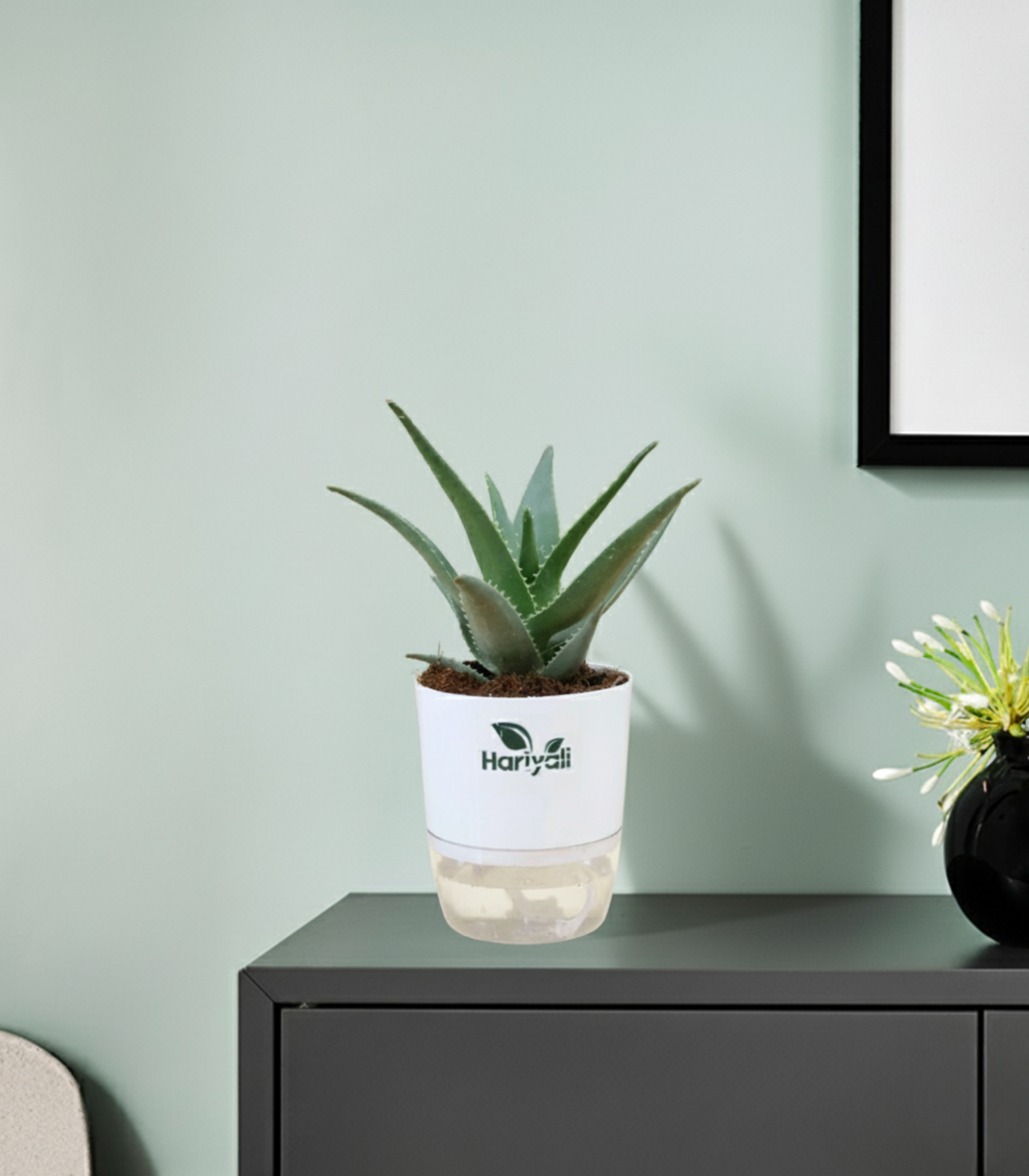
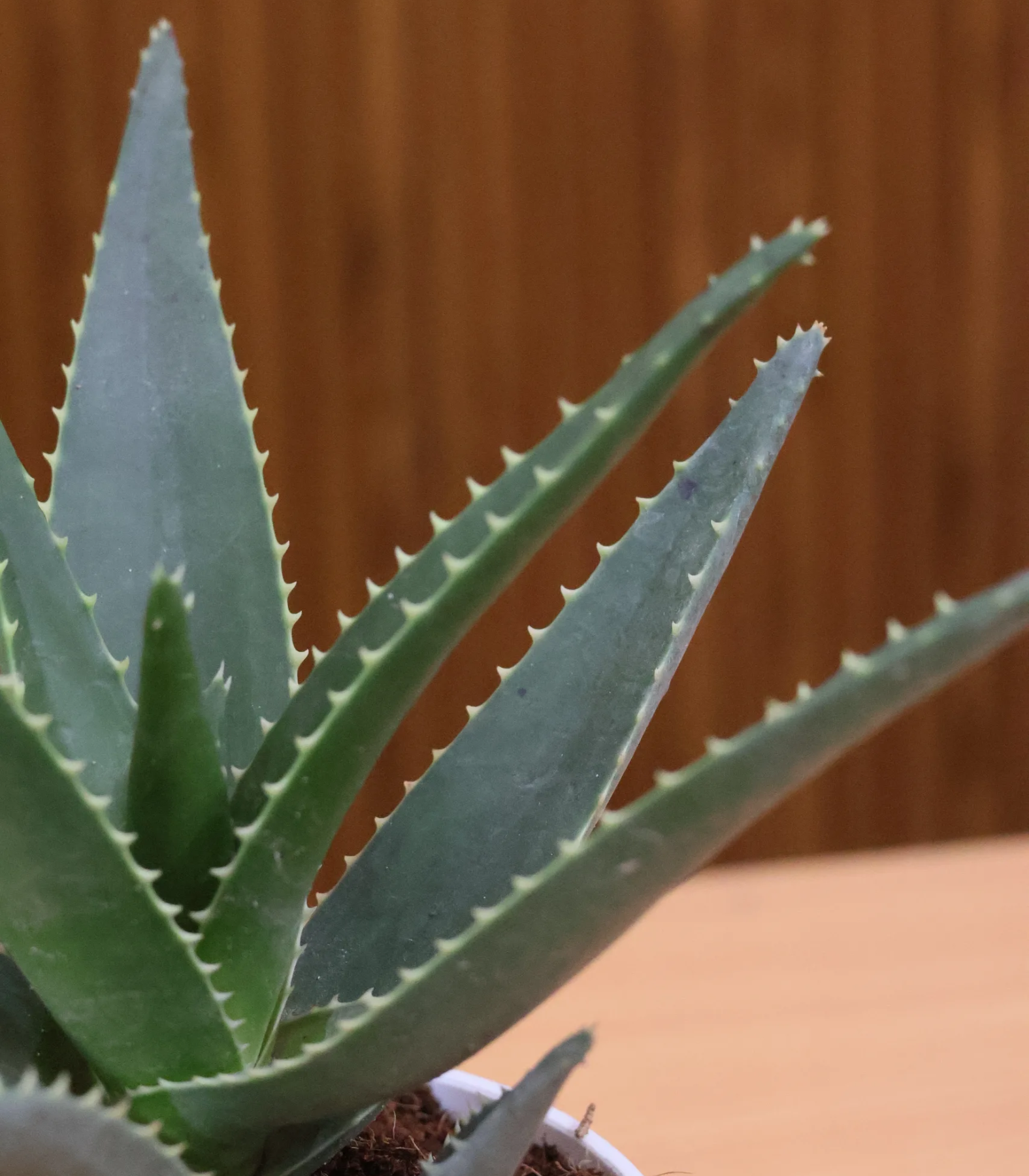
Aloe Juvenna (Tiger Tooth Aloe)
Original price was: ₨ 1,499.₨ 1,199Current price is: ₨ 1,199.
Select options
This product has multiple variants. The options may be chosen on the product page
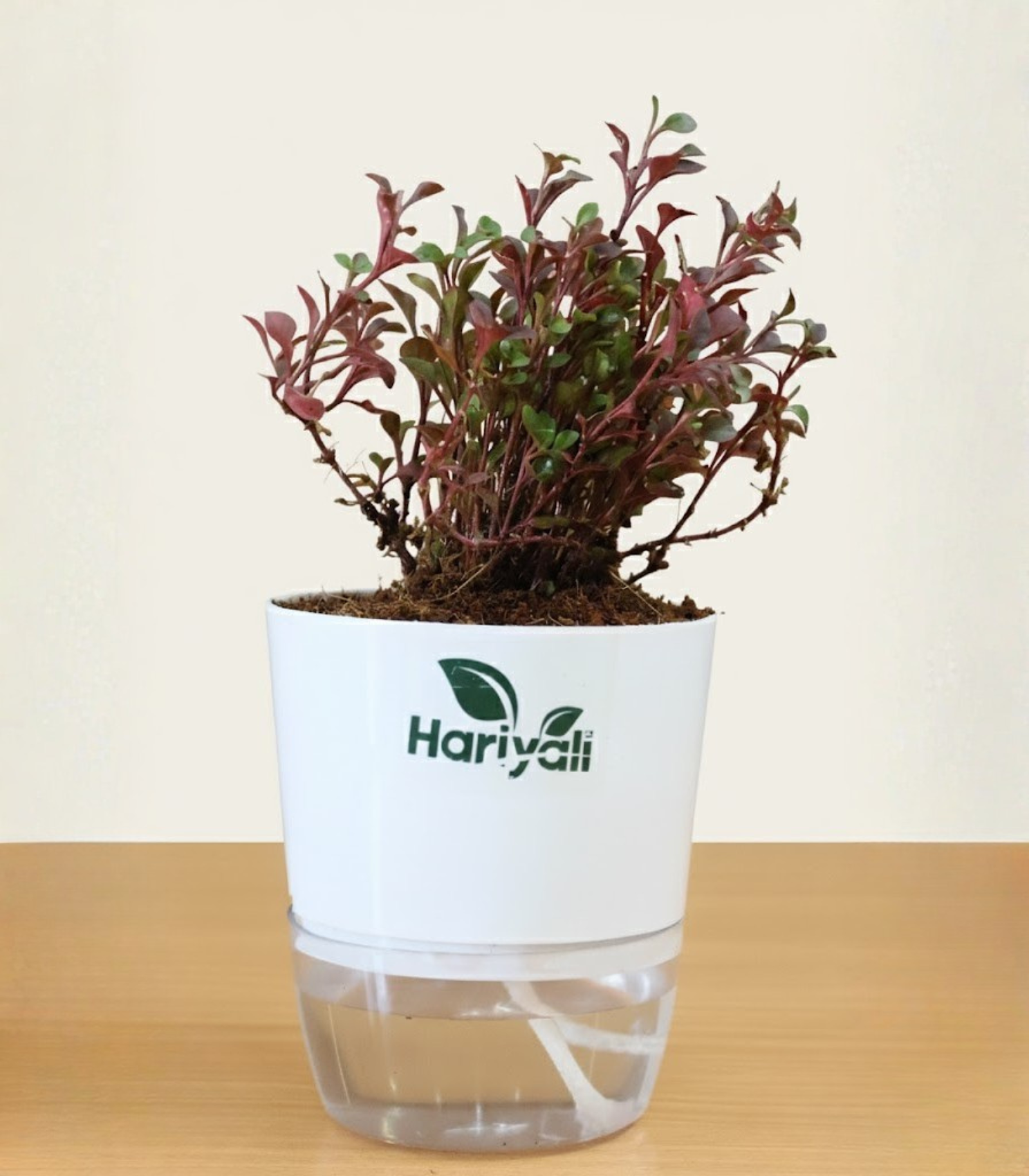
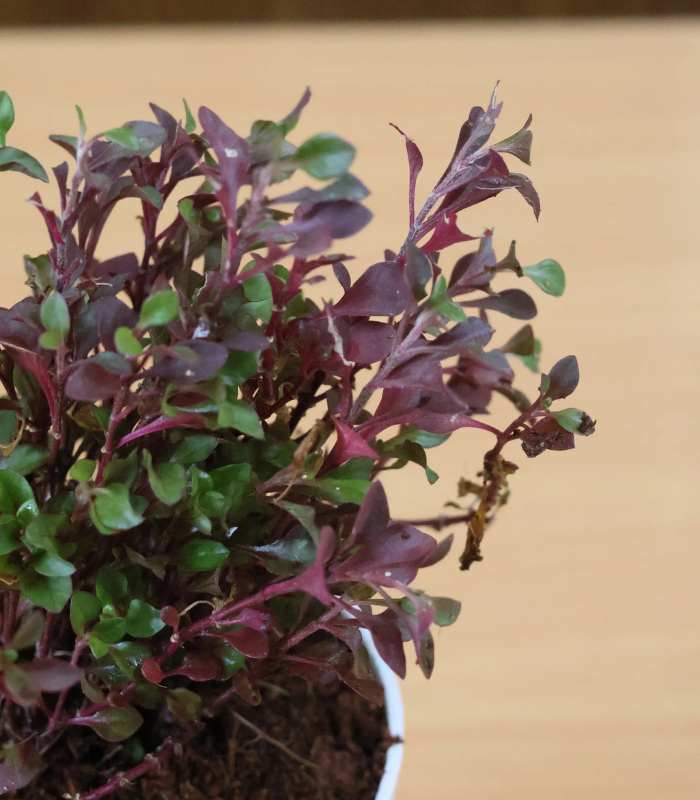
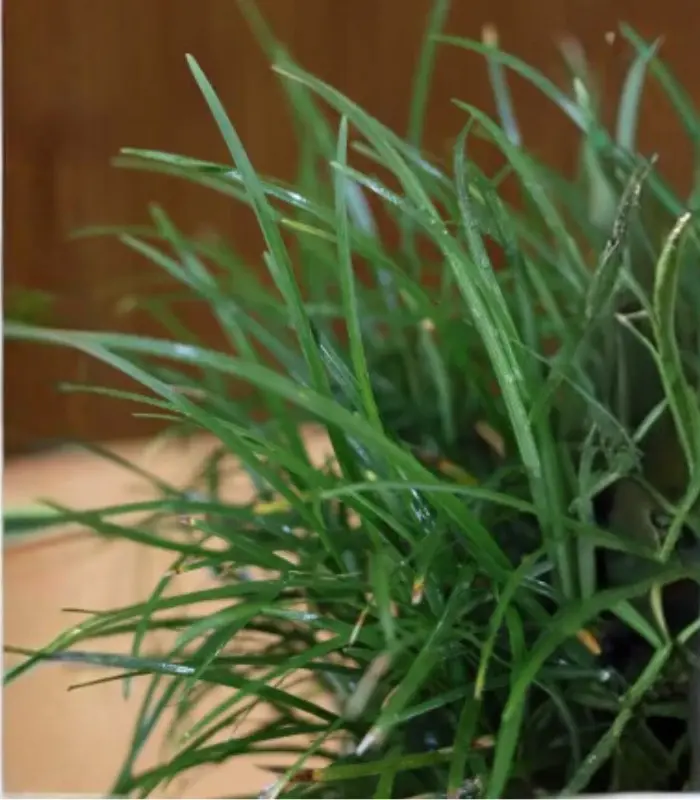
Black Grass (Black Mondo Grass)
Original price was: ₨ 1,299.₨ 999Current price is: ₨ 999.
Select options
This product has multiple variants. The options may be chosen on the product page
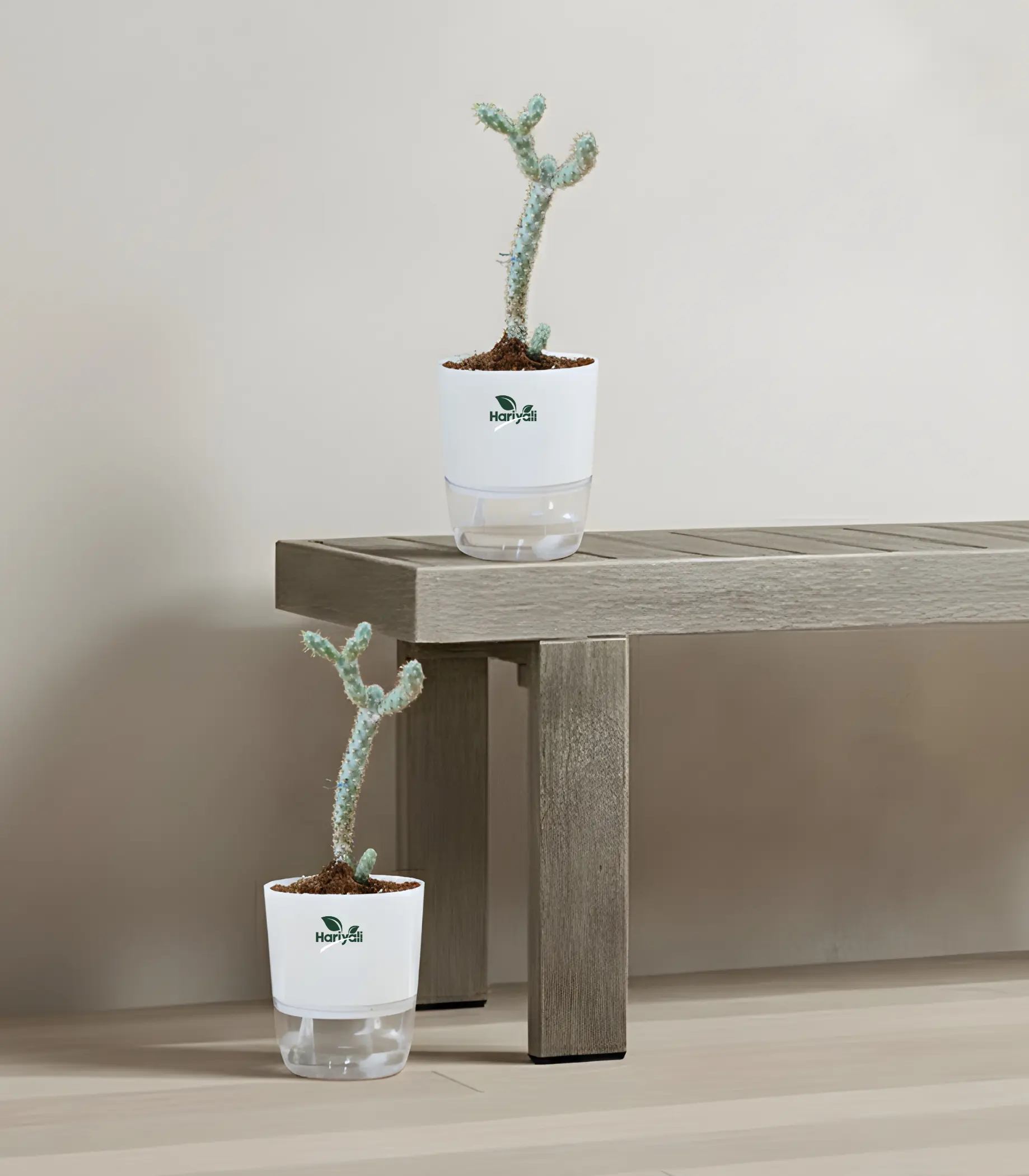
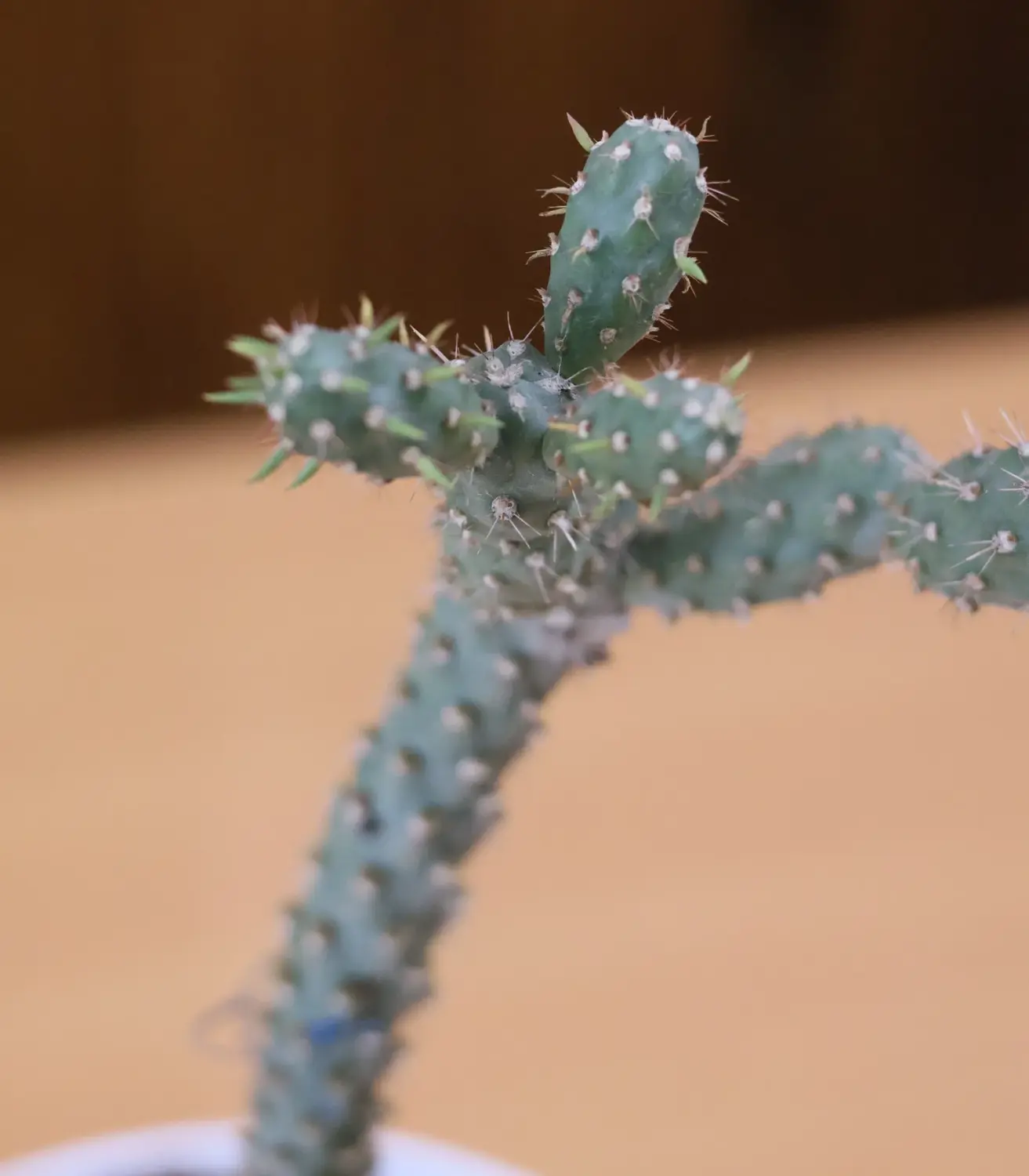
Cholla Cactus
Original price was: ₨ 1,499.₨ 1,199Current price is: ₨ 1,199.
Select options
This product has multiple variants. The options may be chosen on the product page
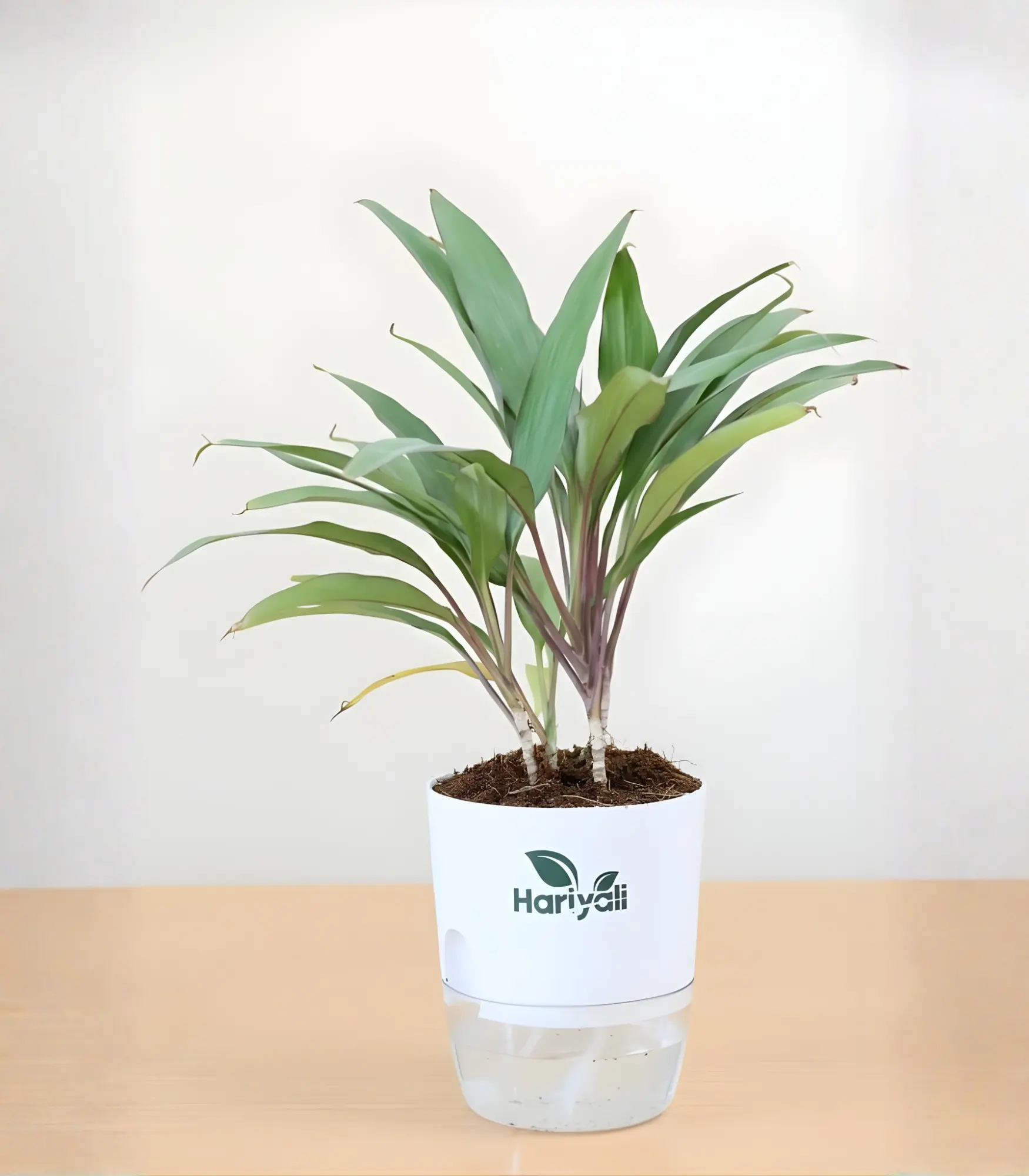
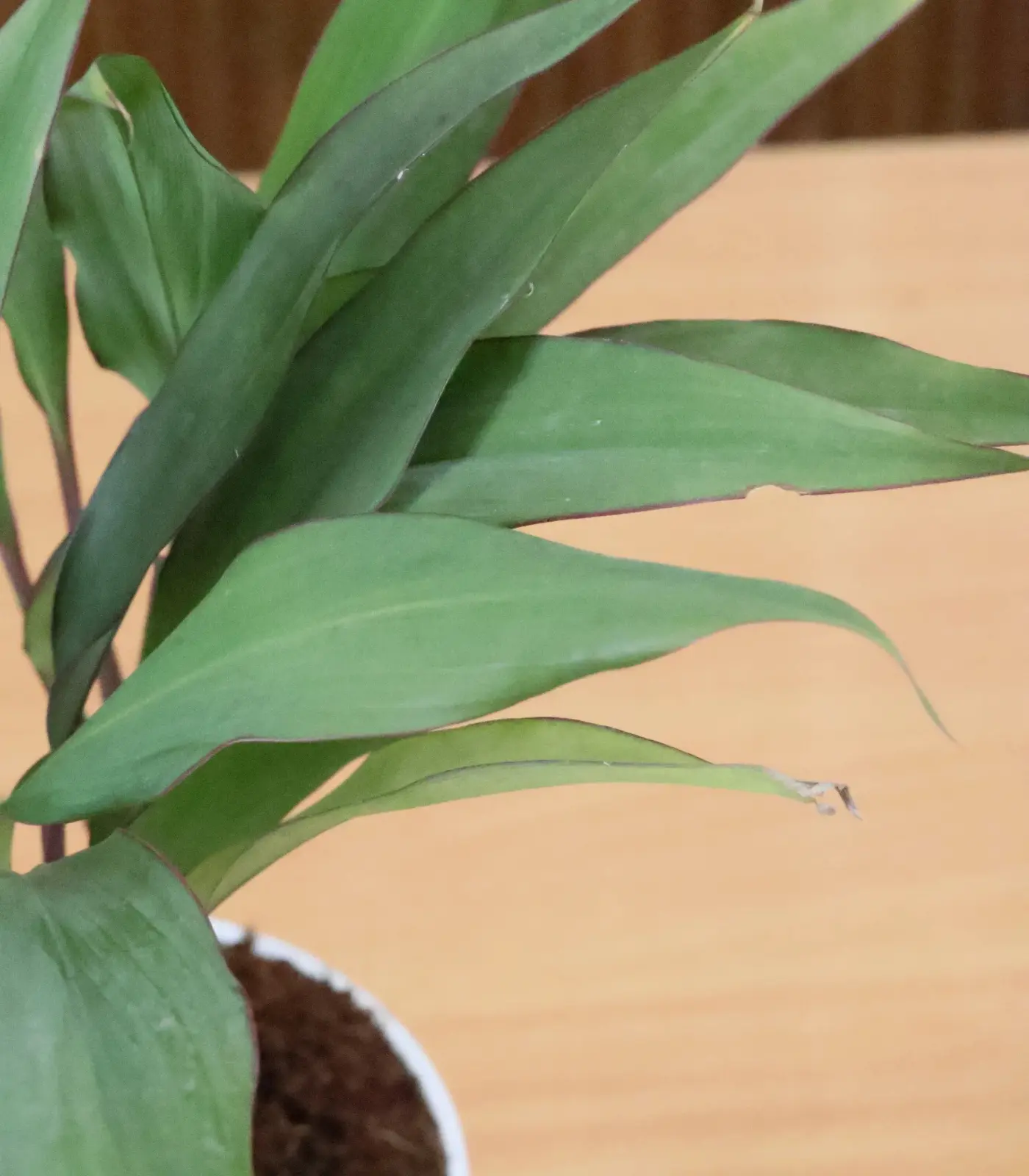
Cordyline Geraldo (Ti Plant)
Original price was: ₨ 1,399.₨ 1,099Current price is: ₨ 1,099.
Select options
This product has multiple variants. The options may be chosen on the product page
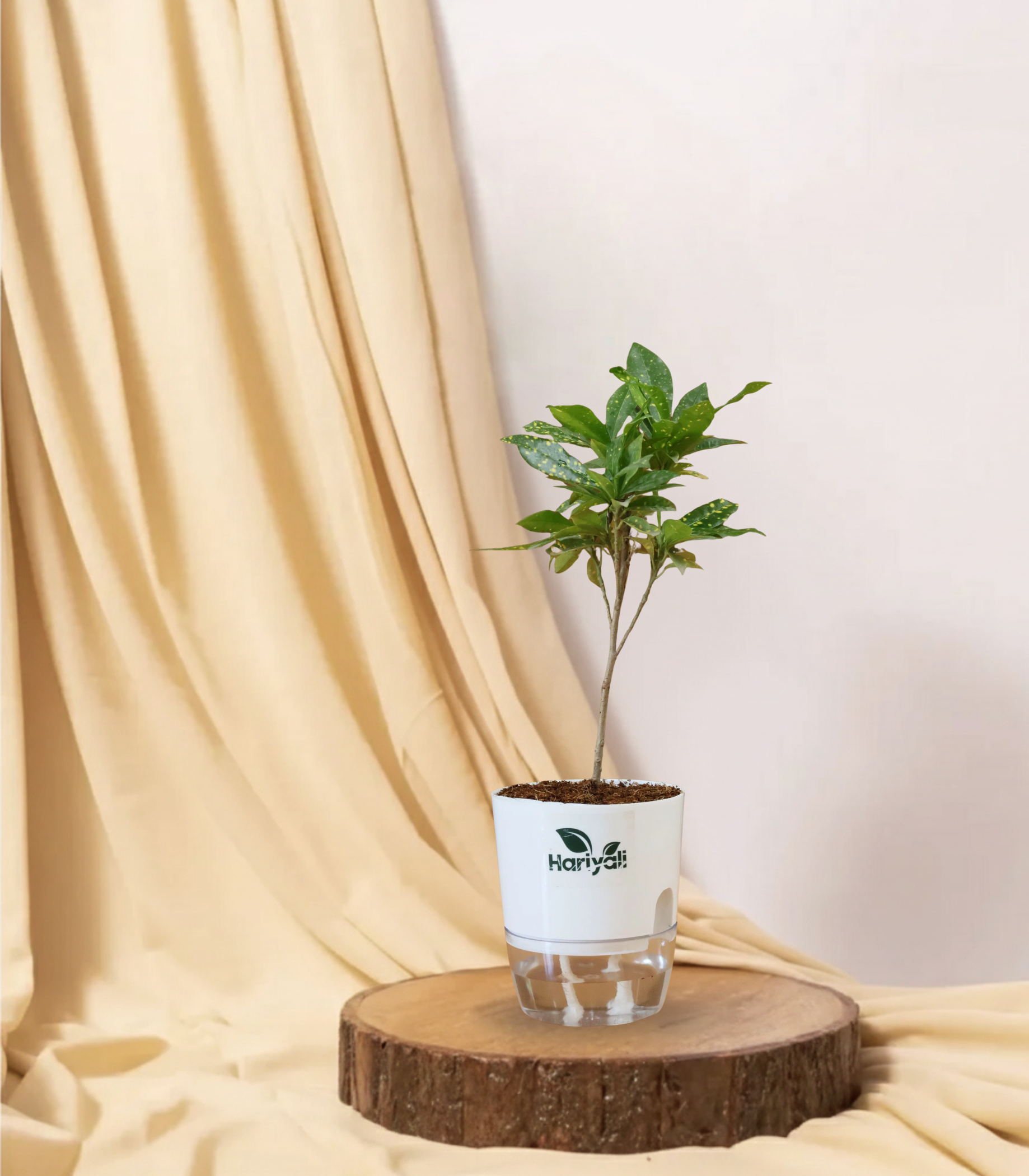
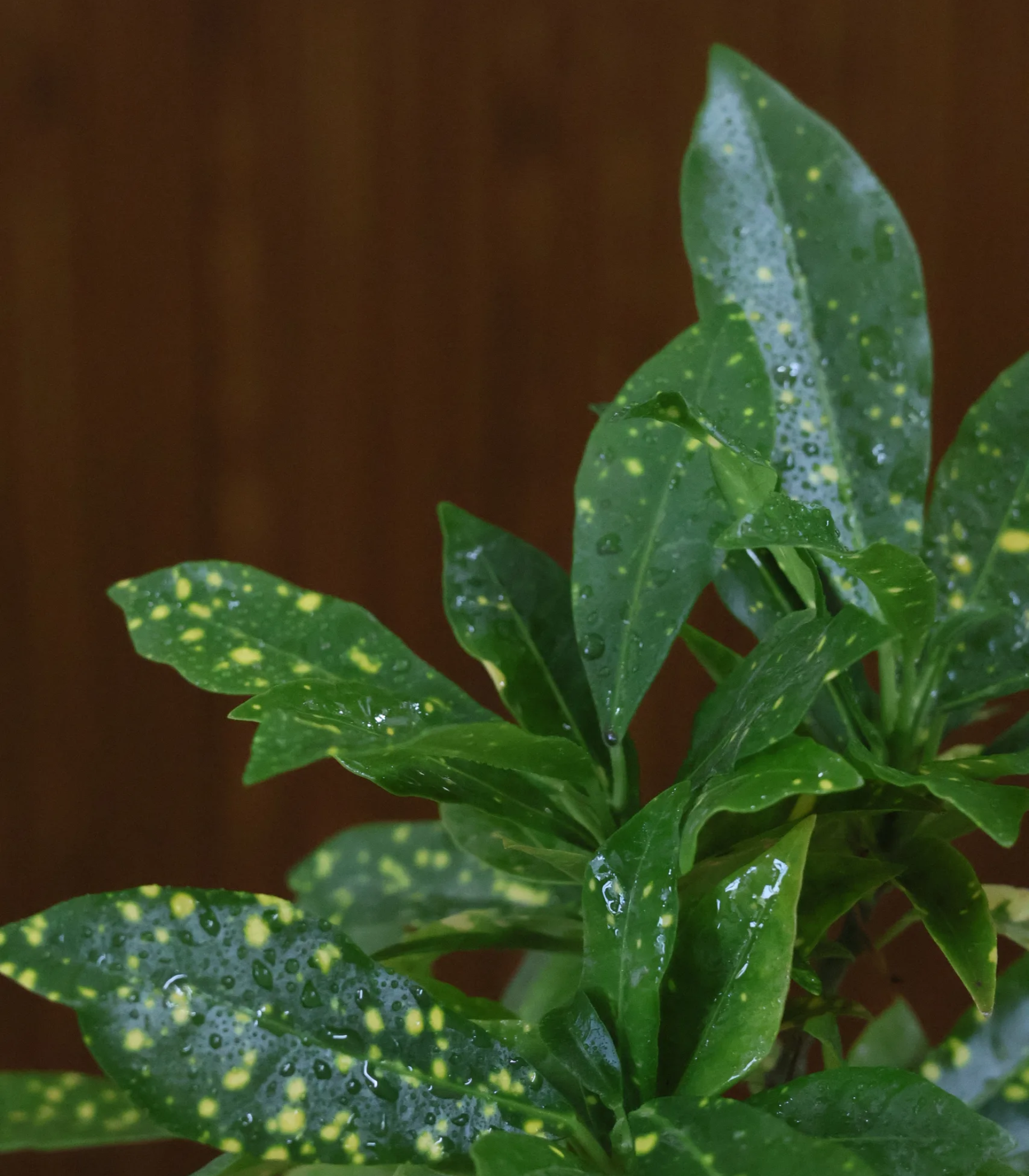
Croton Gold Dust (Lemon Croton / Codiaeum Variegatum)
Original price was: ₨ 1,499.₨ 1,149Current price is: ₨ 1,149.
Select options
This product has multiple variants. The options may be chosen on the product page
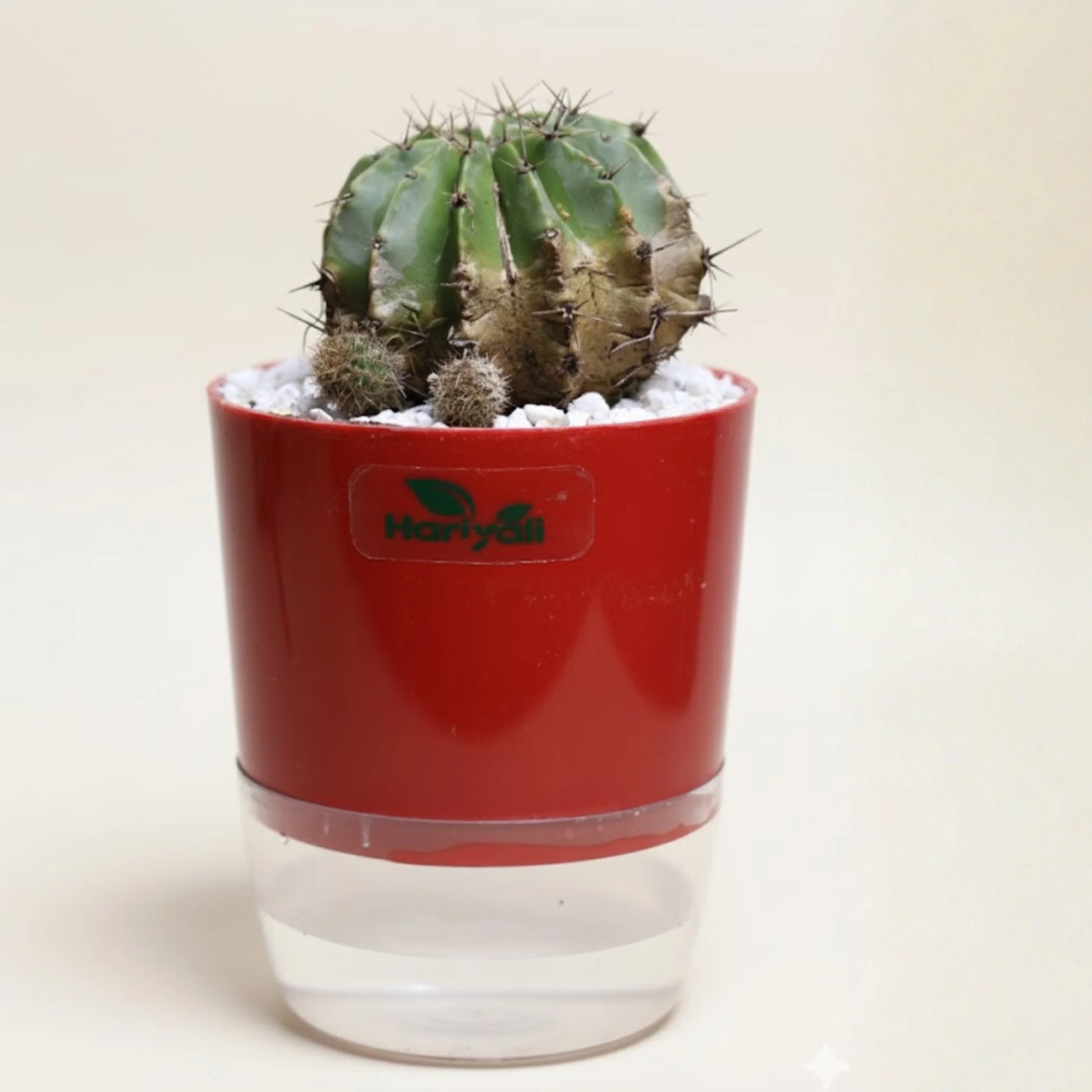
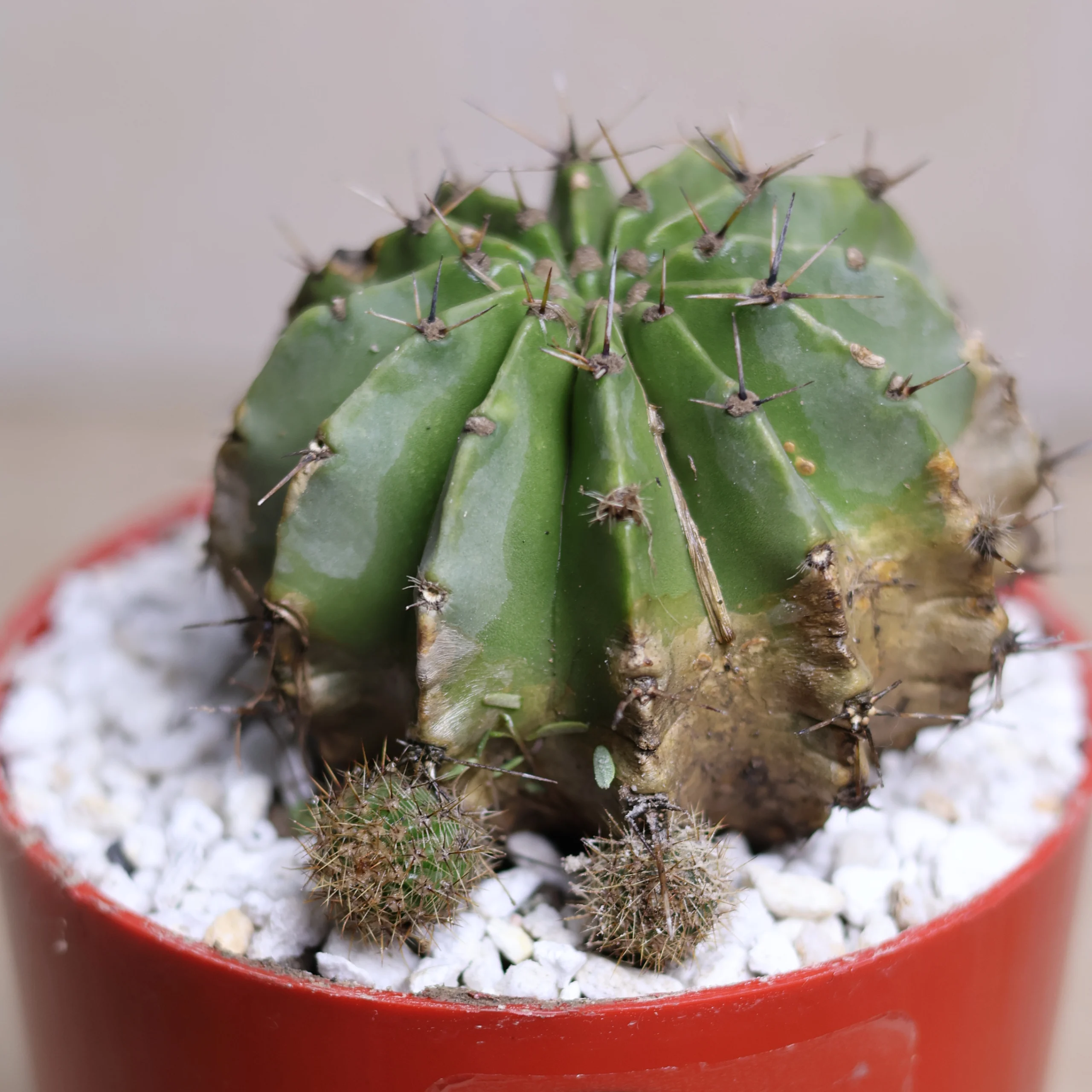
Echinopsis Eyriesii Cactus
Original price was: ₨ 1,500.₨ 1,200Current price is: ₨ 1,200.
Select options
This product has multiple variants. The options may be chosen on the product page
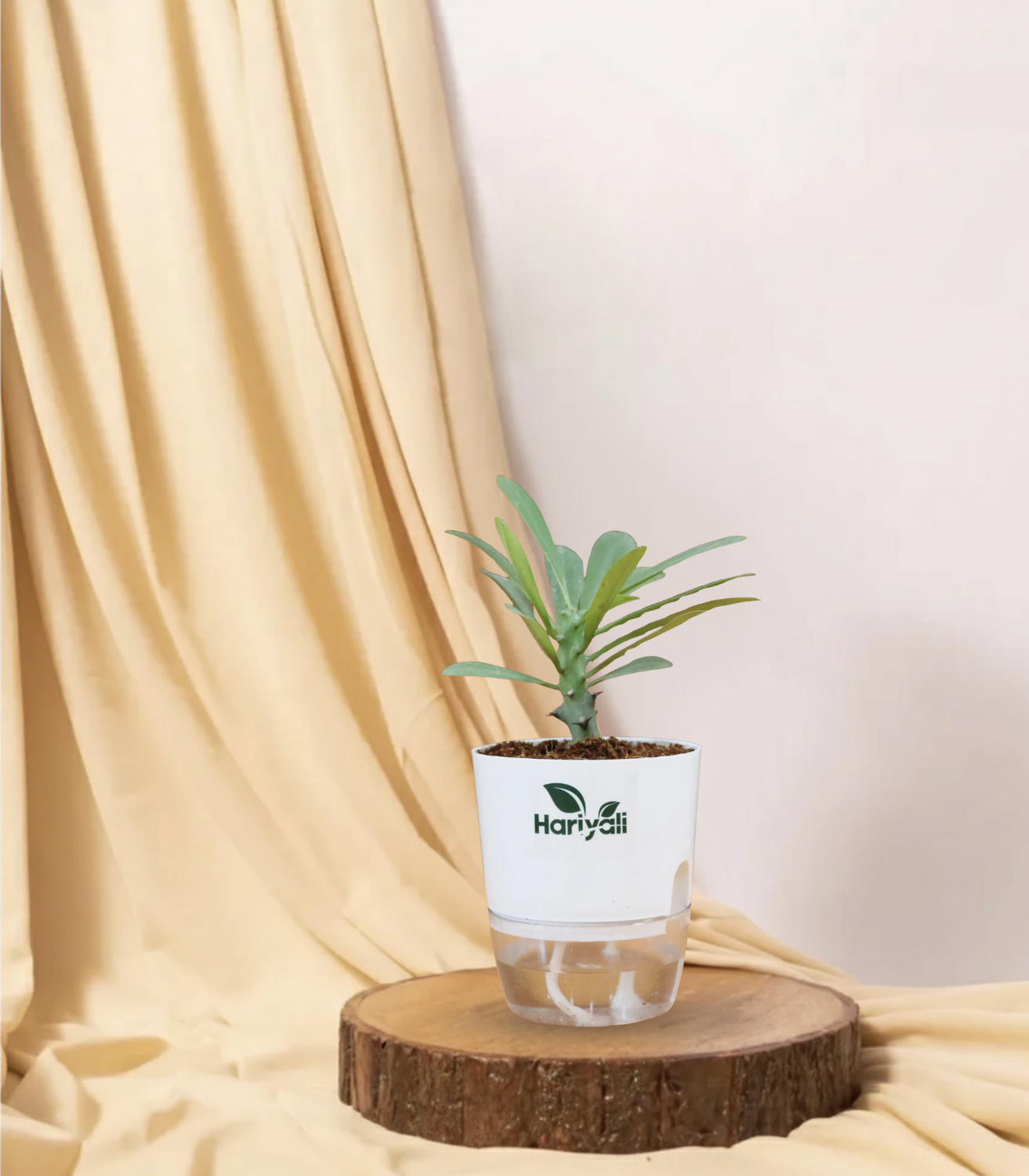
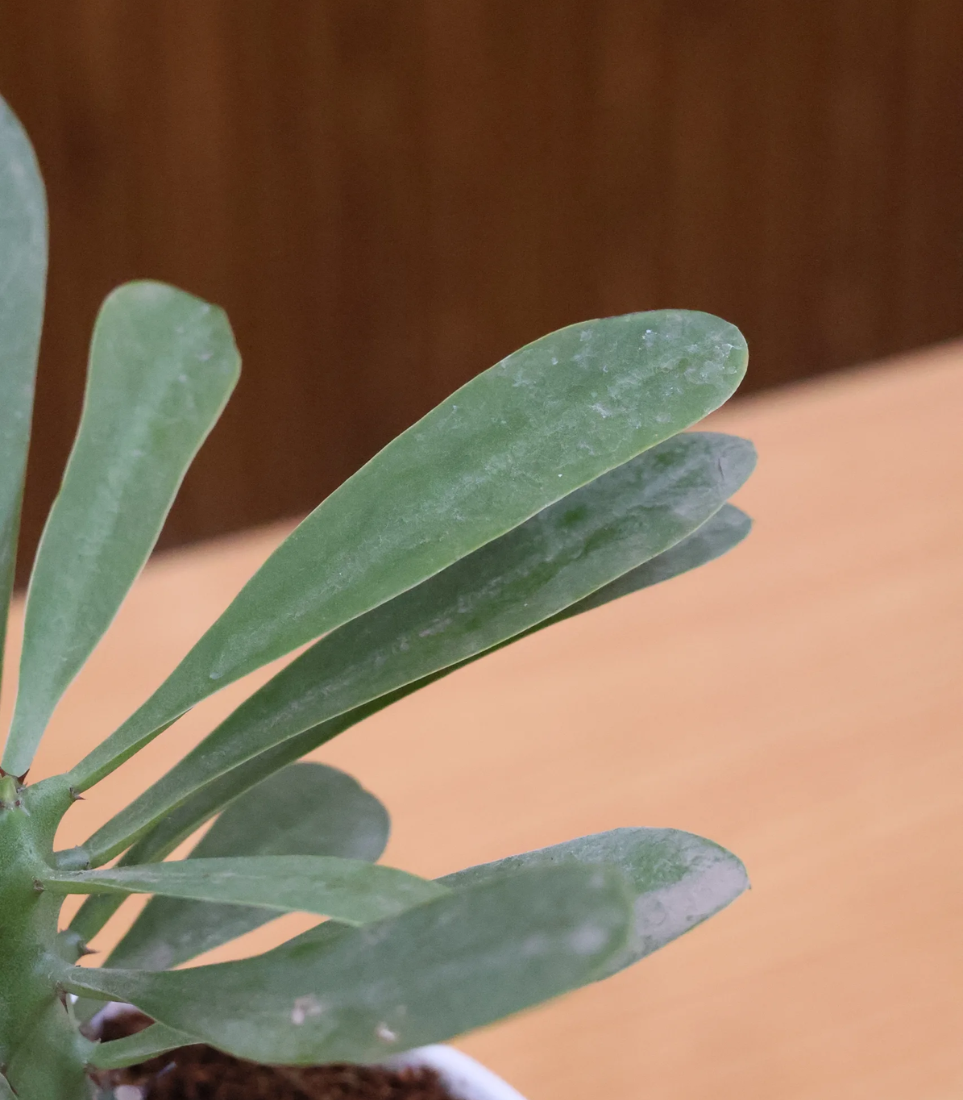
Euphorbia (Crown of Thorns / Christ Plant)
Original price was: ₨ 1,599.₨ 1,299Current price is: ₨ 1,299.
Select options
This product has multiple variants. The options may be chosen on the product page
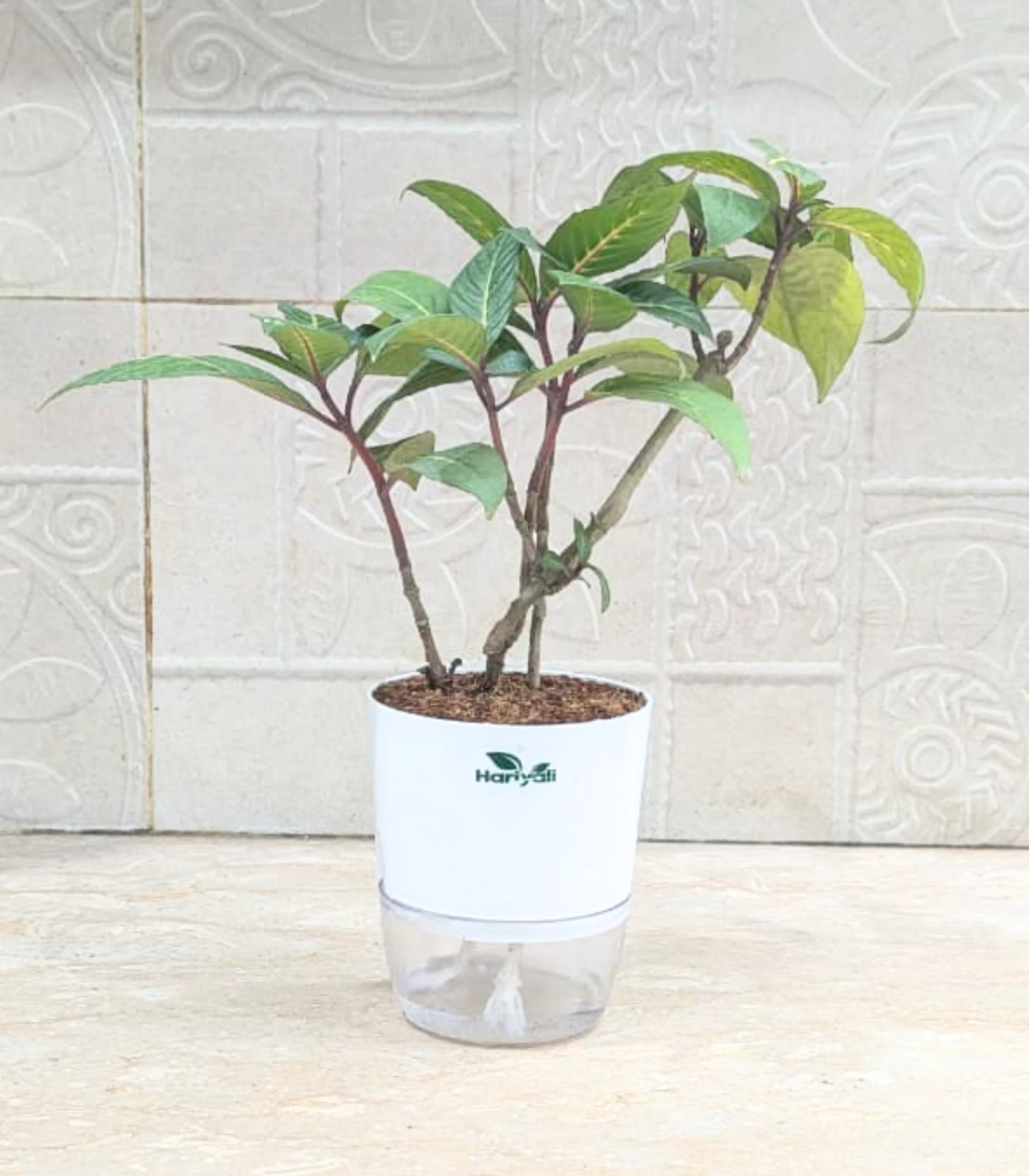
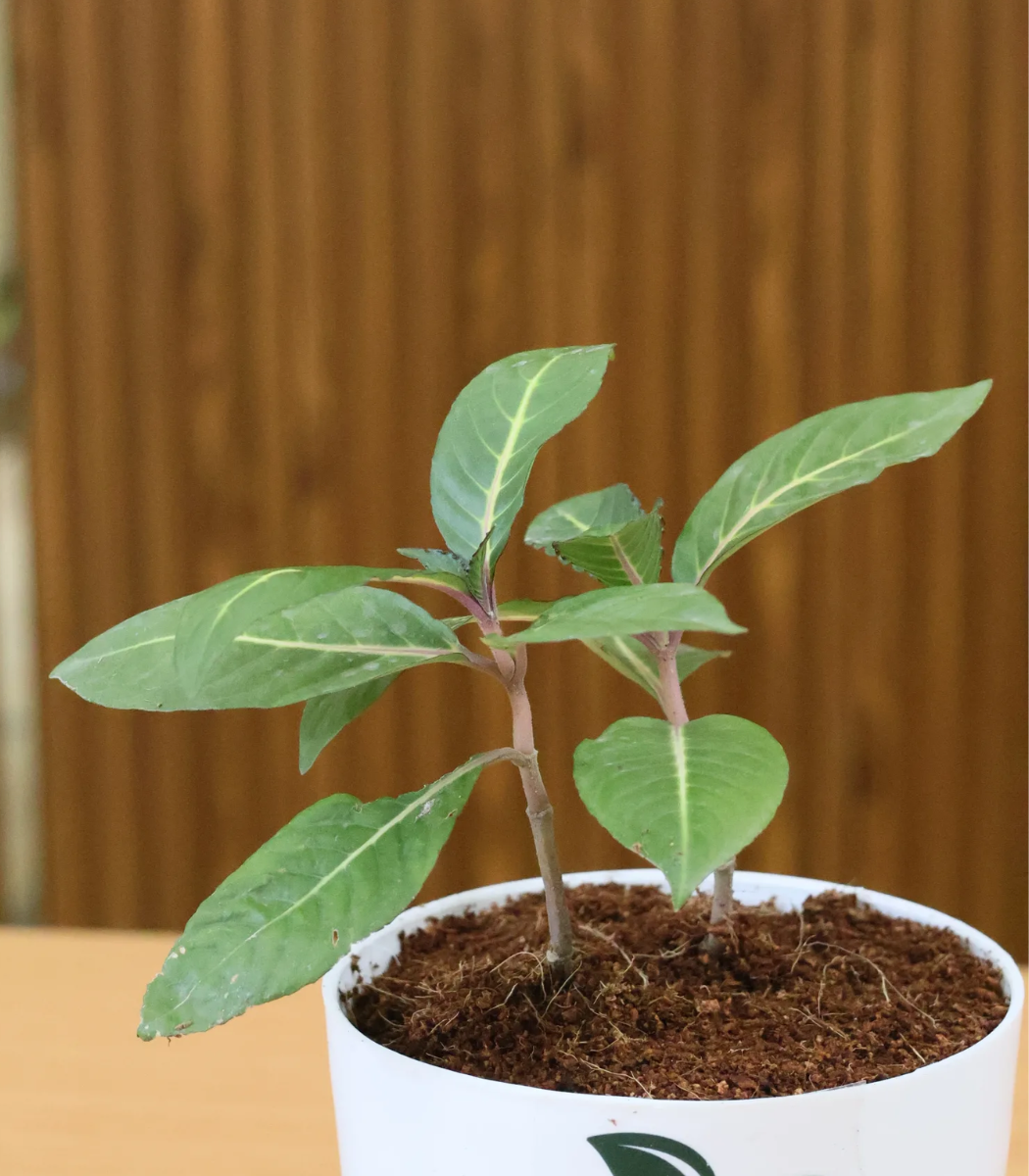
Gynura Procumbens (Longevity Spinach)
Original price was: ₨ 1,299.₨ 999Current price is: ₨ 999.
Select options
This product has multiple variants. The options may be chosen on the product page
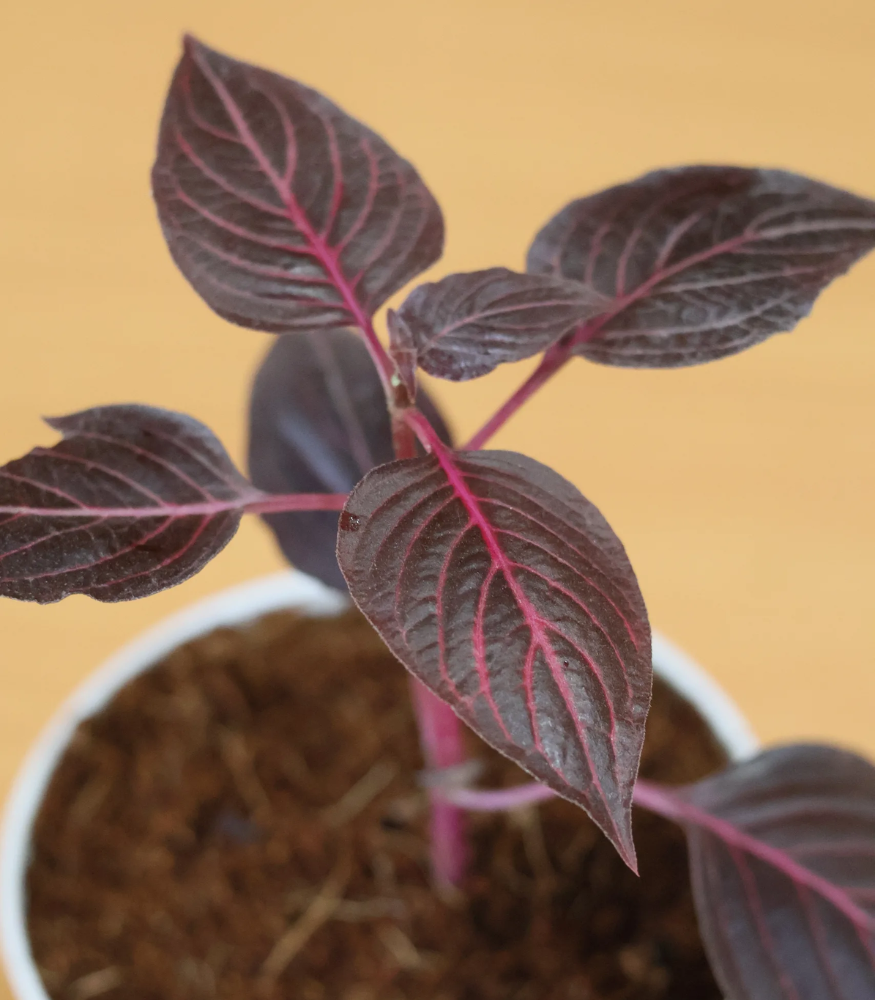
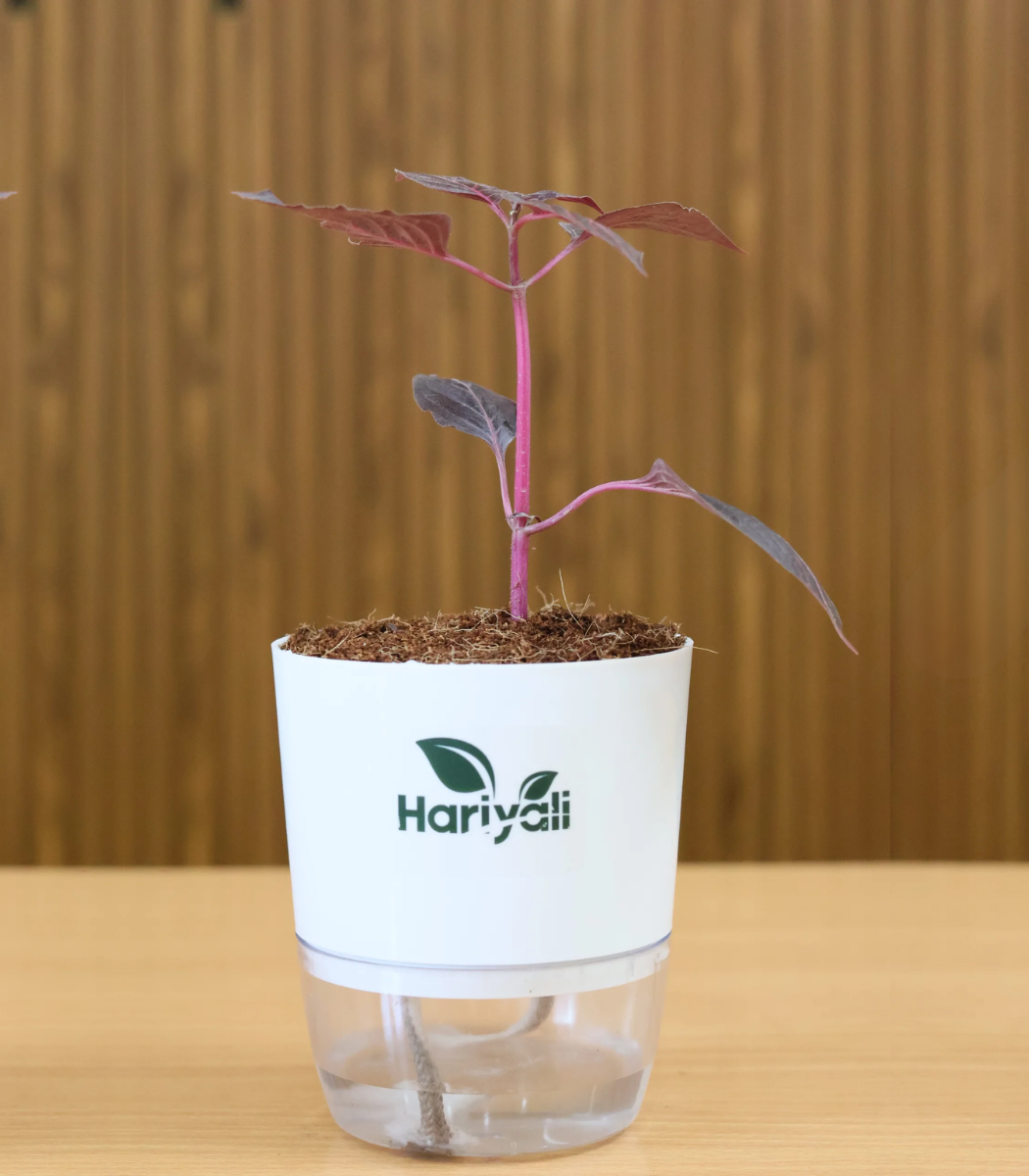
Iresine Herbstii (Bloodleaf / Beefsteak Plant)
Original price was: ₨ 1,499.₨ 1,199Current price is: ₨ 1,199.
Select options
This product has multiple variants. The options may be chosen on the product page
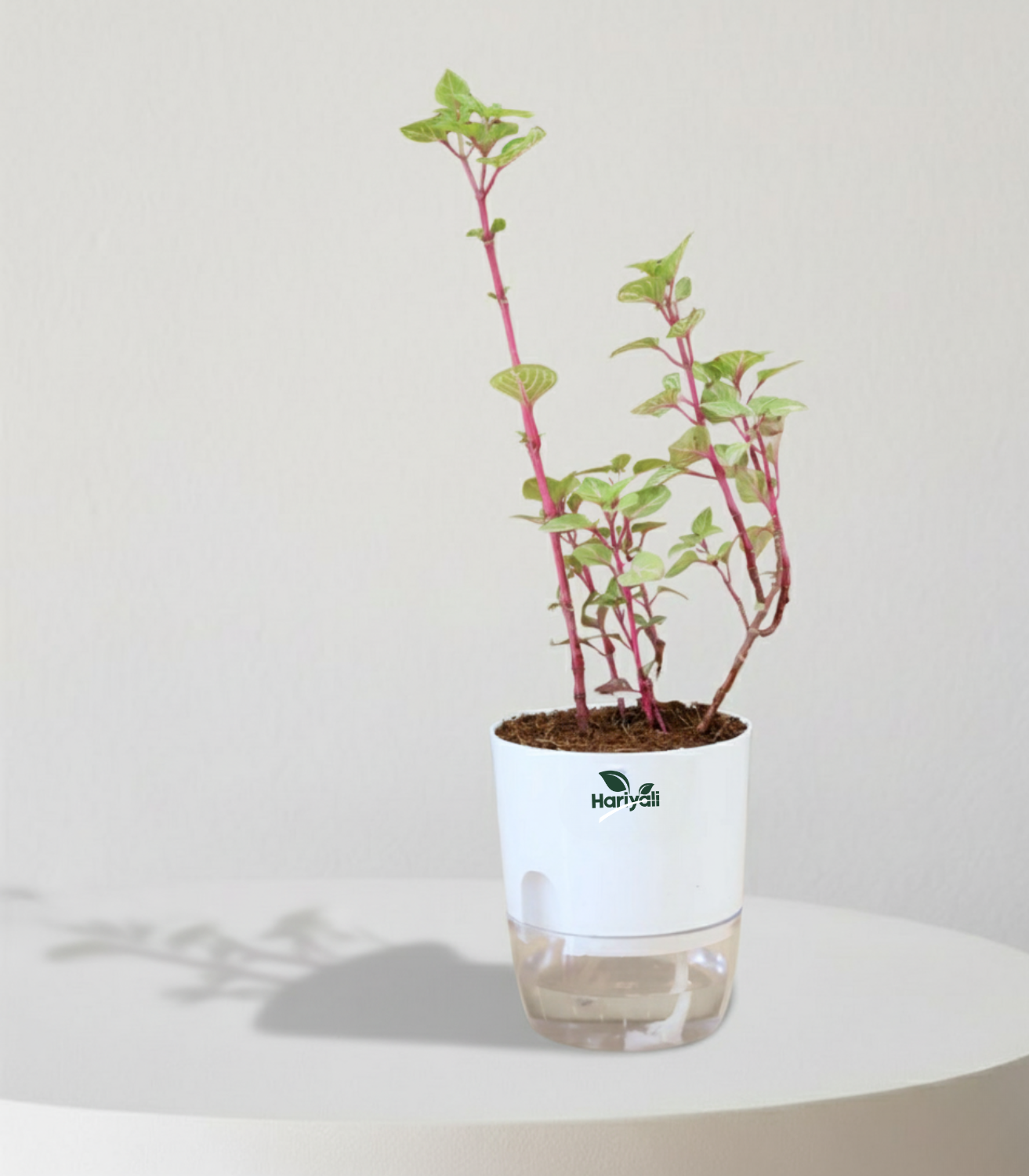
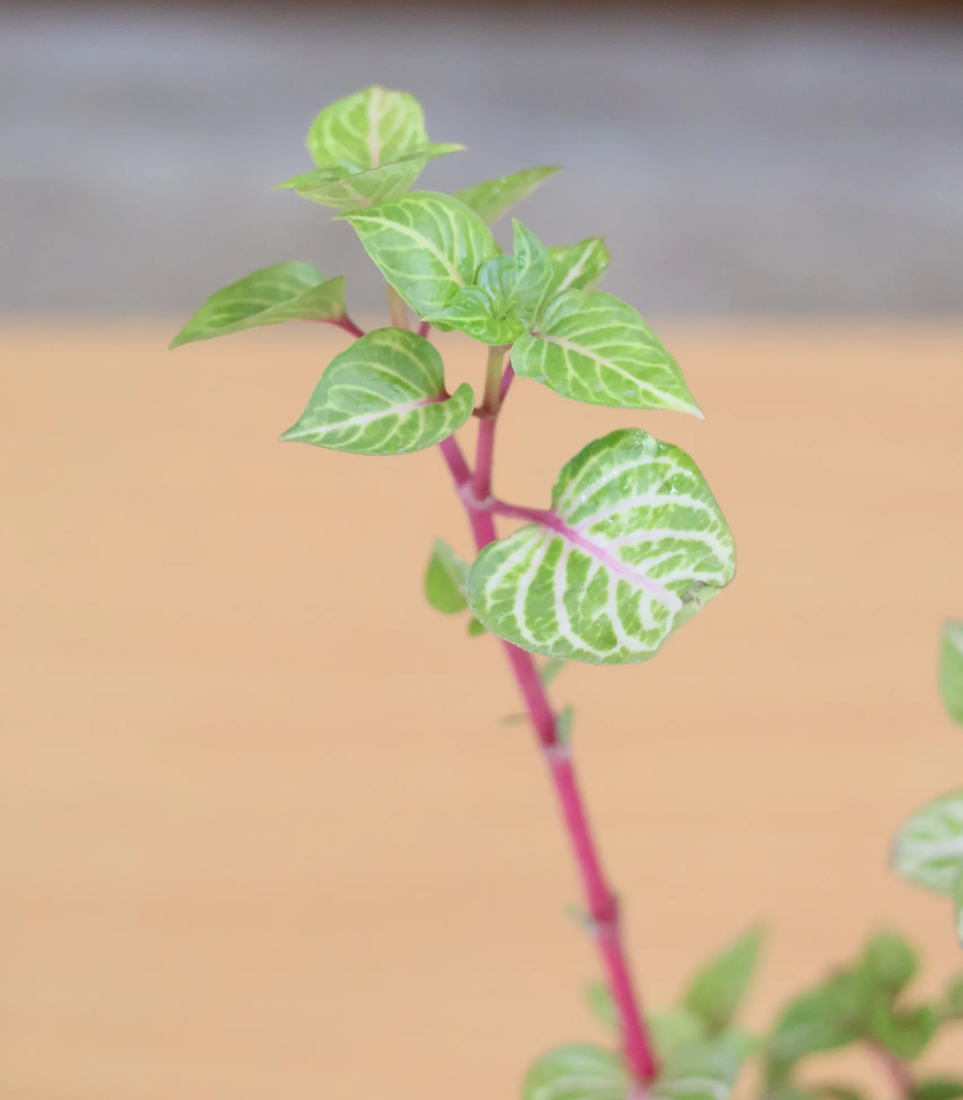
Iresine Herbstii (Bloodleaf Plant)
Original price was: ₨ 1,399.₨ 1,099Current price is: ₨ 1,099.
Select options
This product has multiple variants. The options may be chosen on the product page
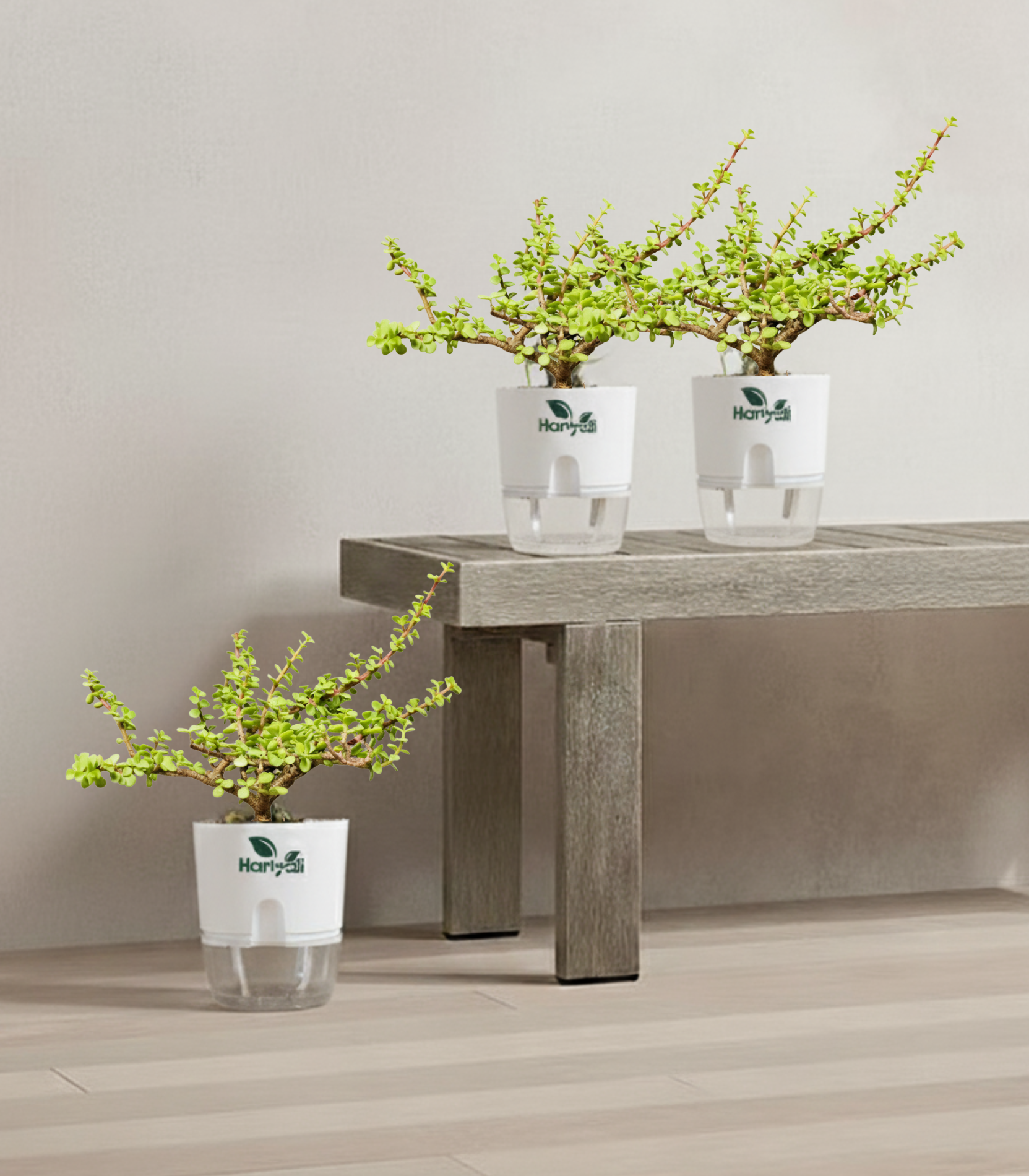
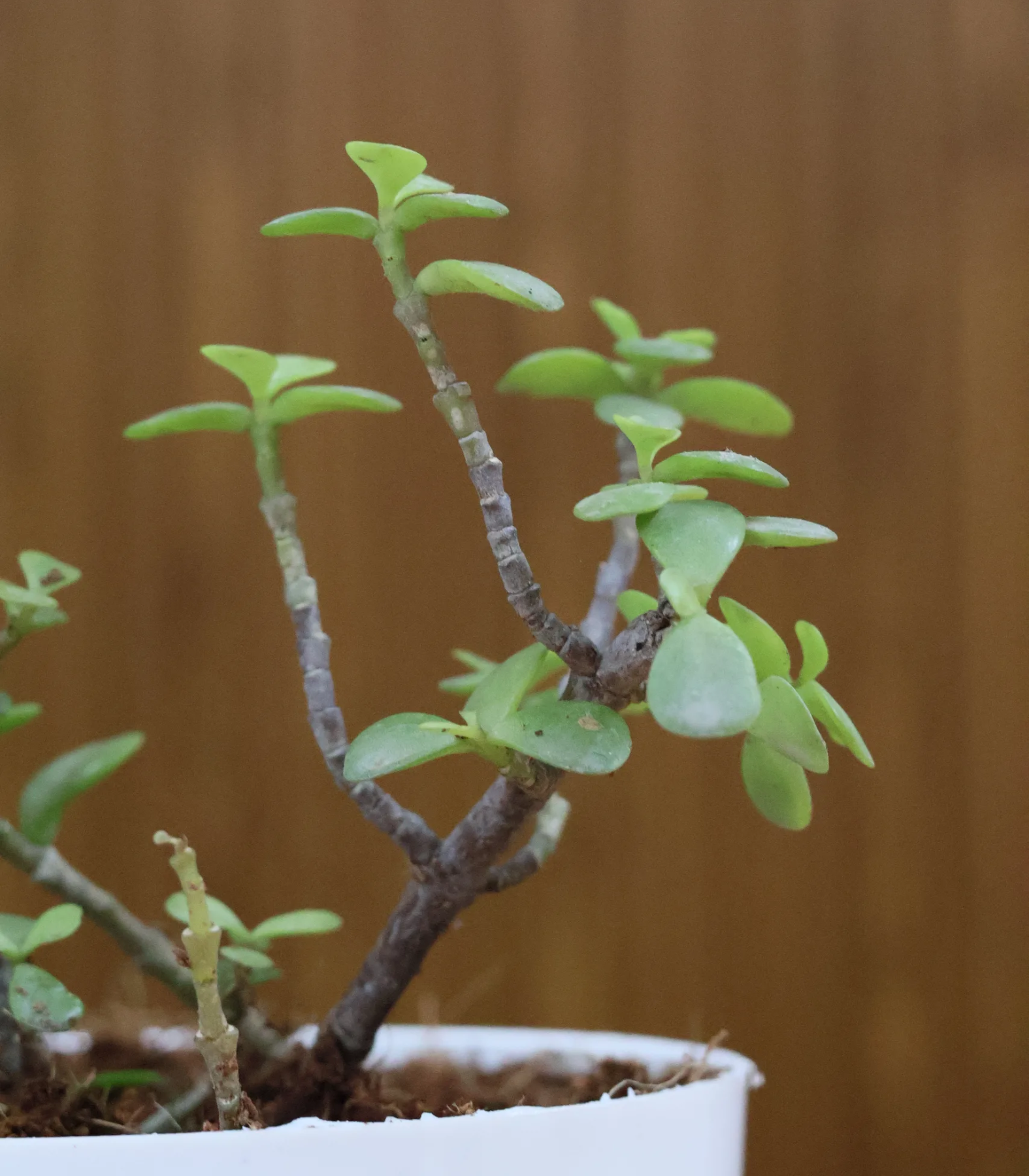
Jade Plant (Money Plant Succulent)
Original price was: ₨ 1,599.₨ 1,299Current price is: ₨ 1,299.
Select options
This product has multiple variants. The options may be chosen on the product page
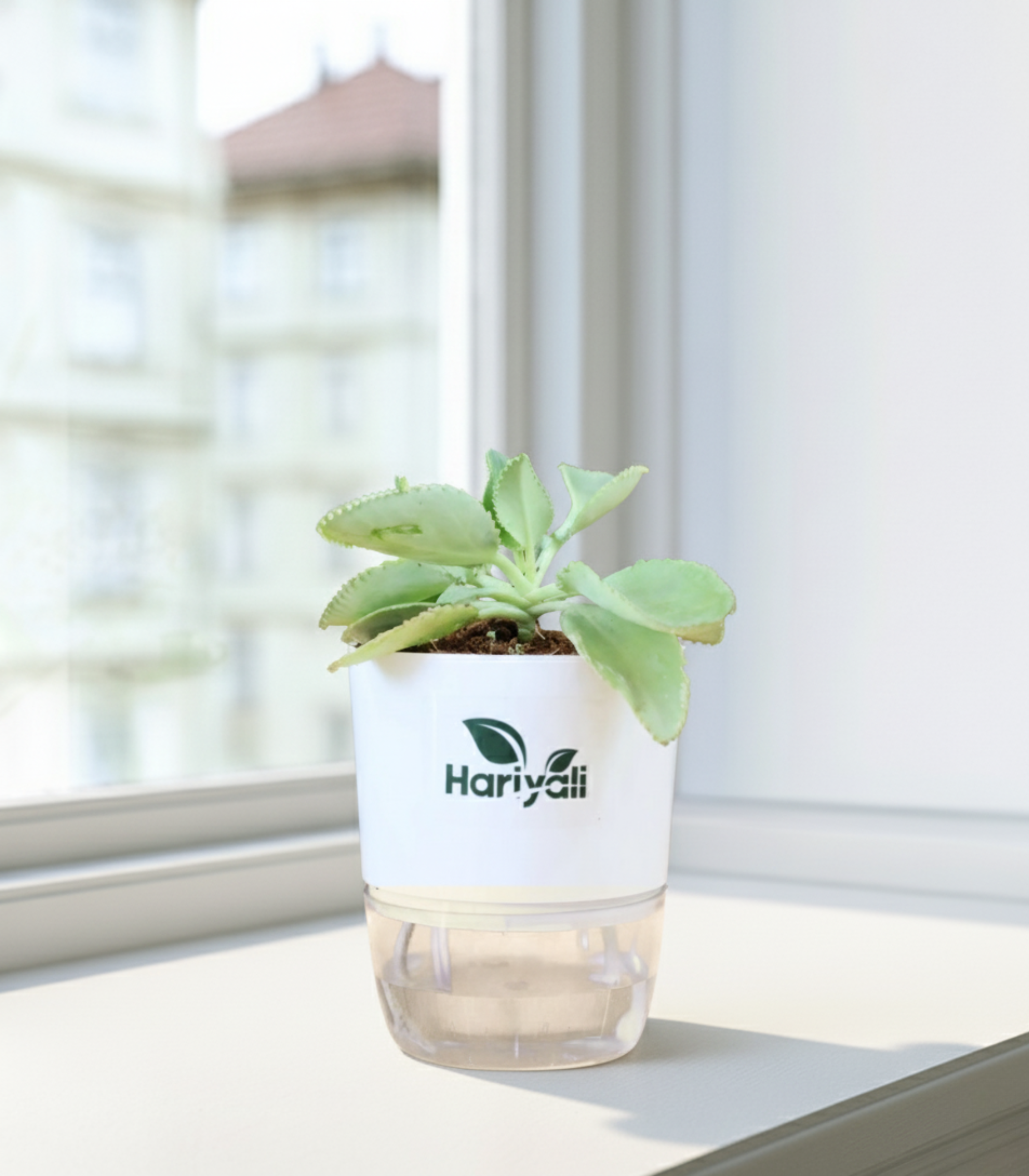
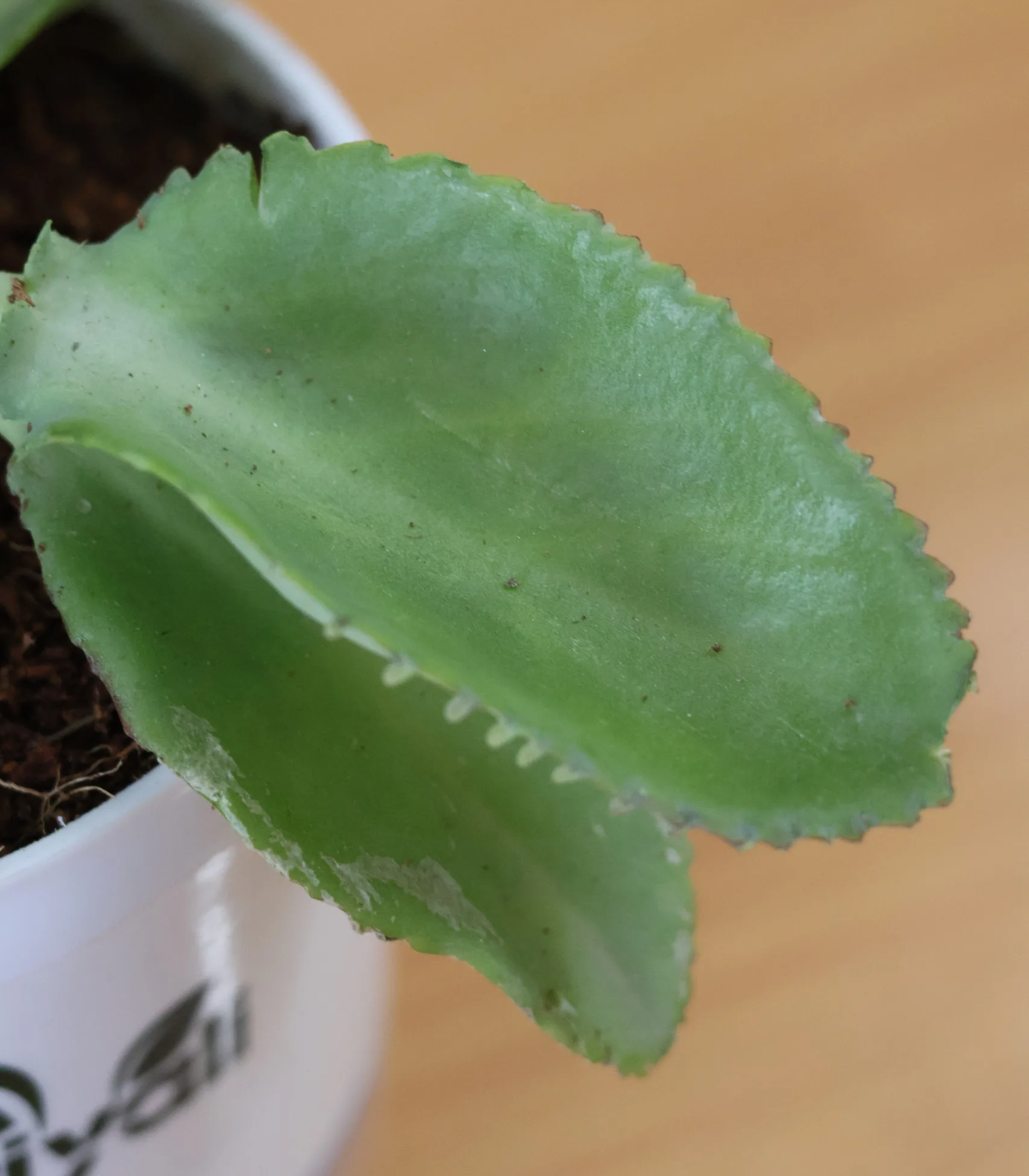
Kalanchoe (Mother of Thousands / Alligator Plant)
Original price was: ₨ 1,599.₨ 1,299Current price is: ₨ 1,299.
Select options
This product has multiple variants. The options may be chosen on the product page
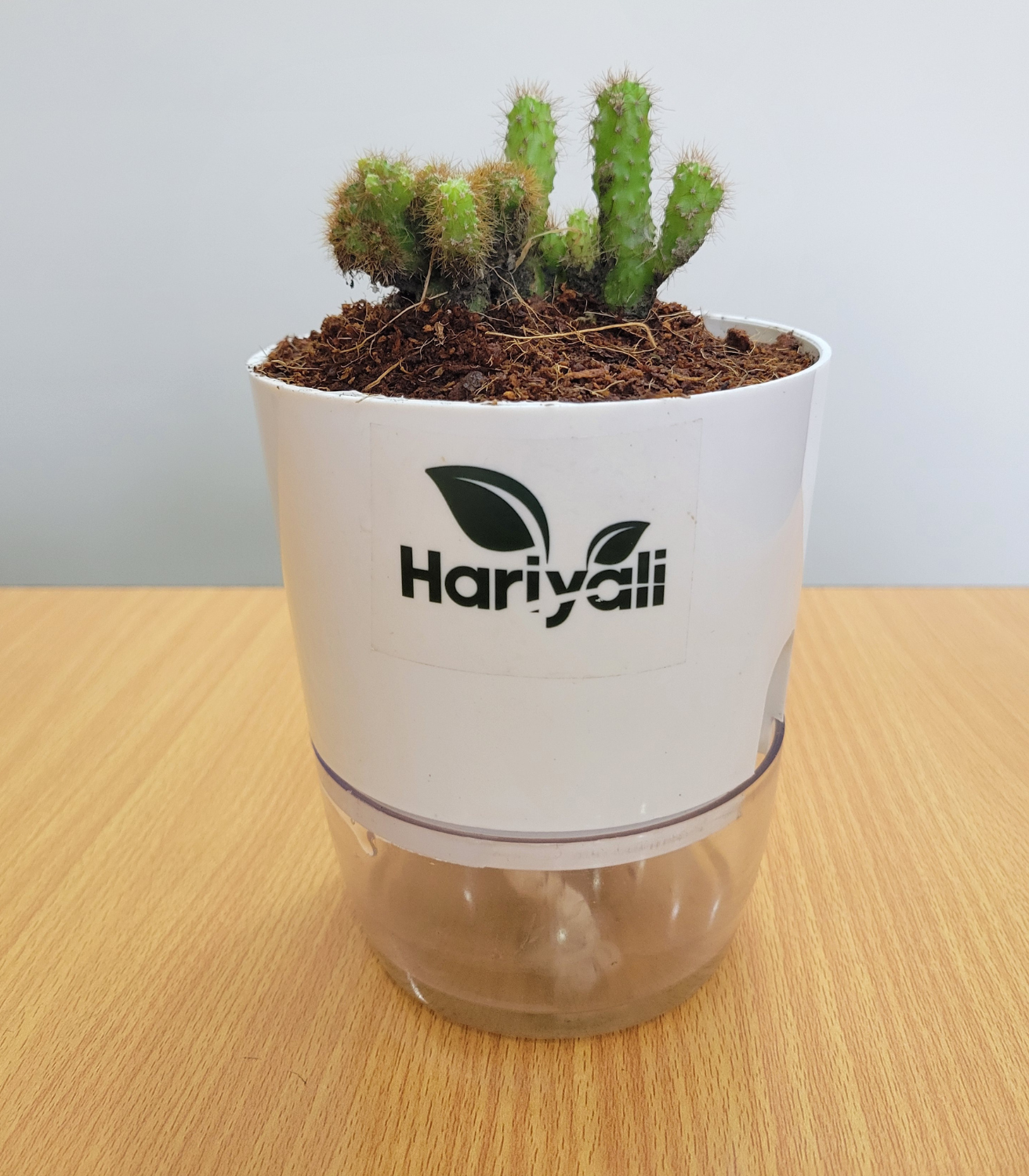
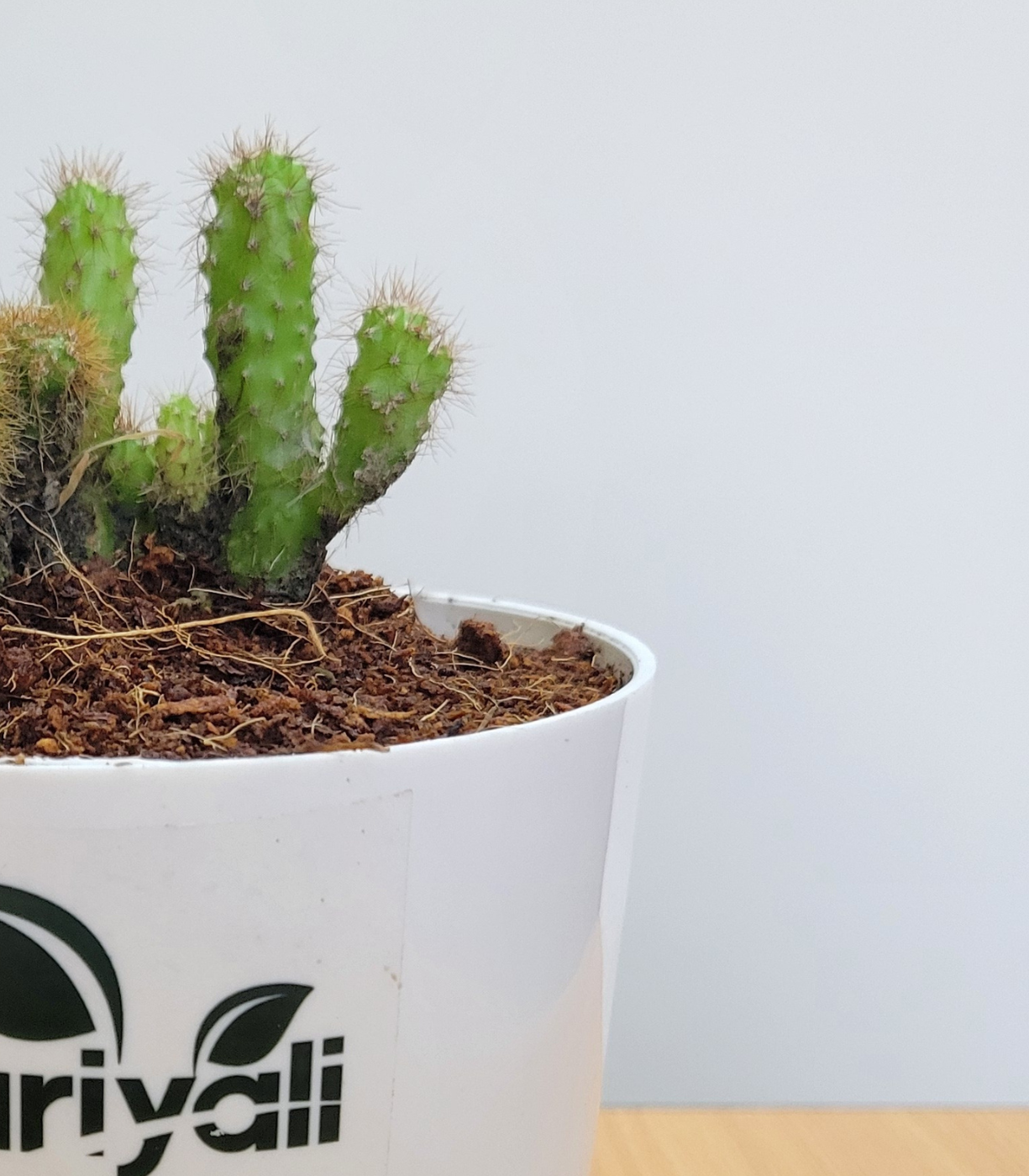
Mini Opuntia Cactus
Original price was: ₨ 1,649.₨ 1,349Current price is: ₨ 1,349.
Select options
This product has multiple variants. The options may be chosen on the product page
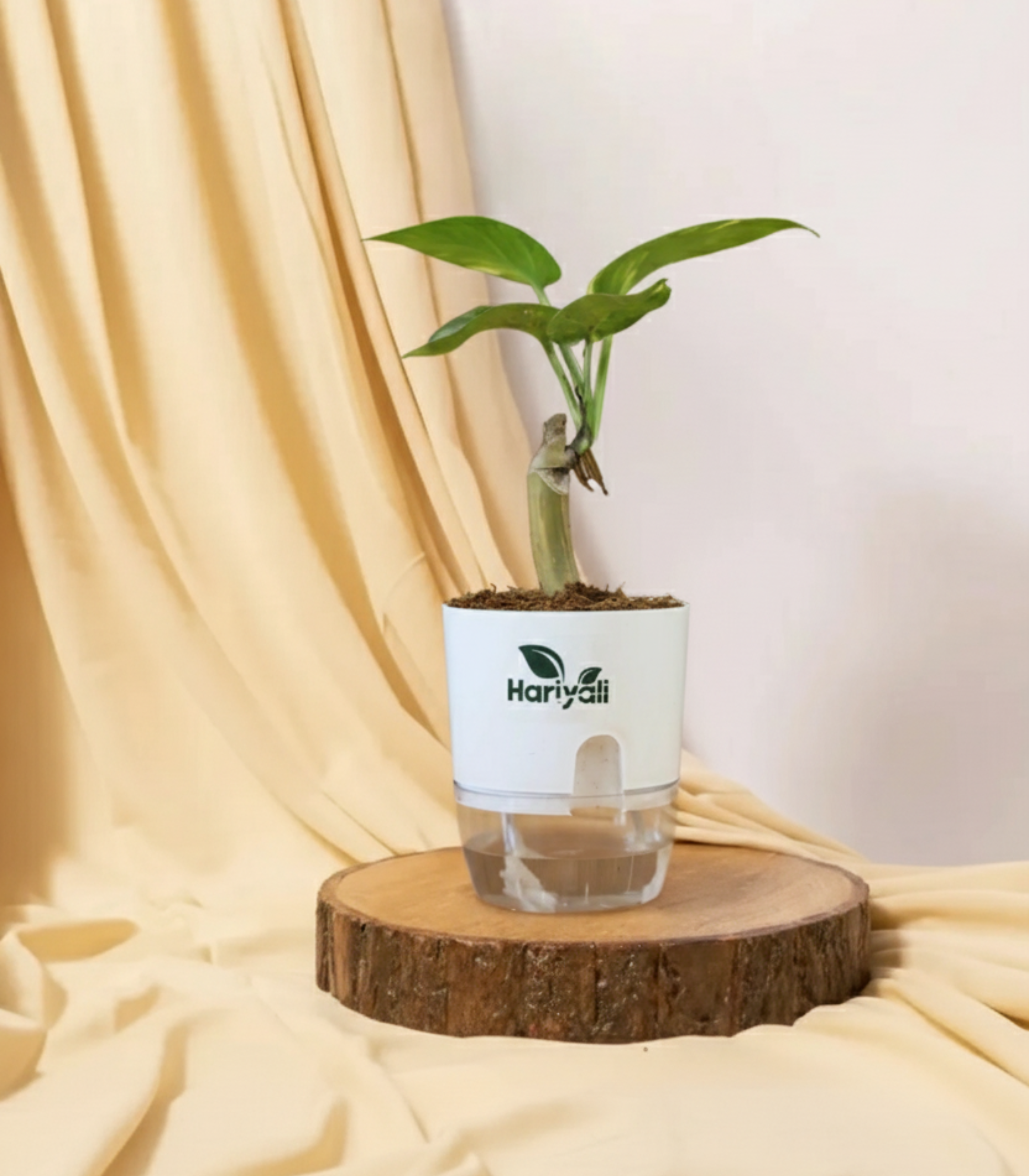
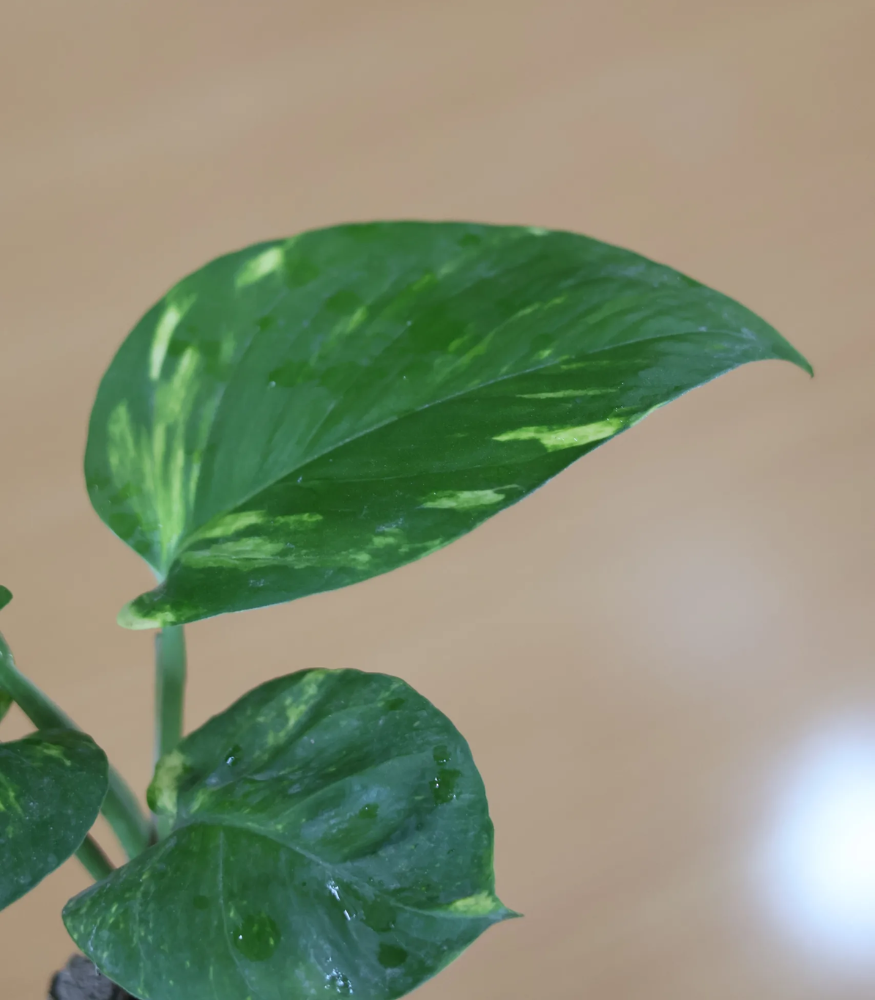
Money Plant (Golden Pothos / Devil’s Ivy)
Original price was: ₨ 1,299.₨ 999Current price is: ₨ 999.
Select options
This product has multiple variants. The options may be chosen on the product page
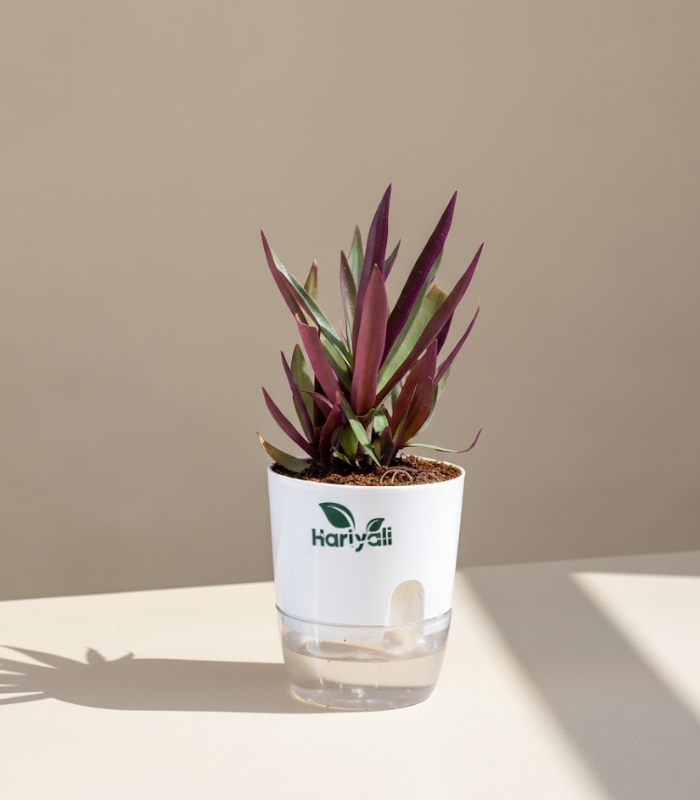
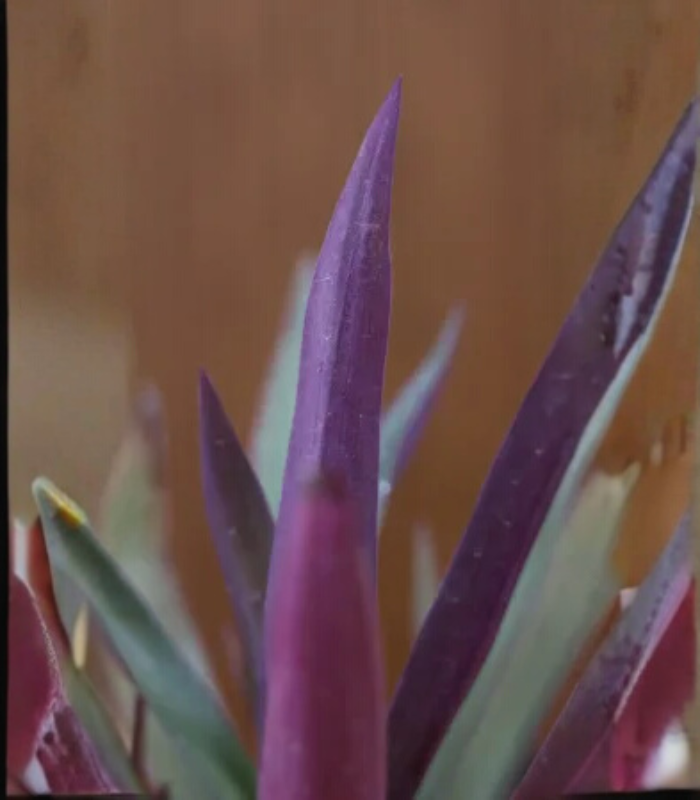
Moses-in-the-Cradle (Oyster Plant / Boat Lily)
Original price was: ₨ 1,649.₨ 1,349Current price is: ₨ 1,349.
Select options
This product has multiple variants. The options may be chosen on the product page
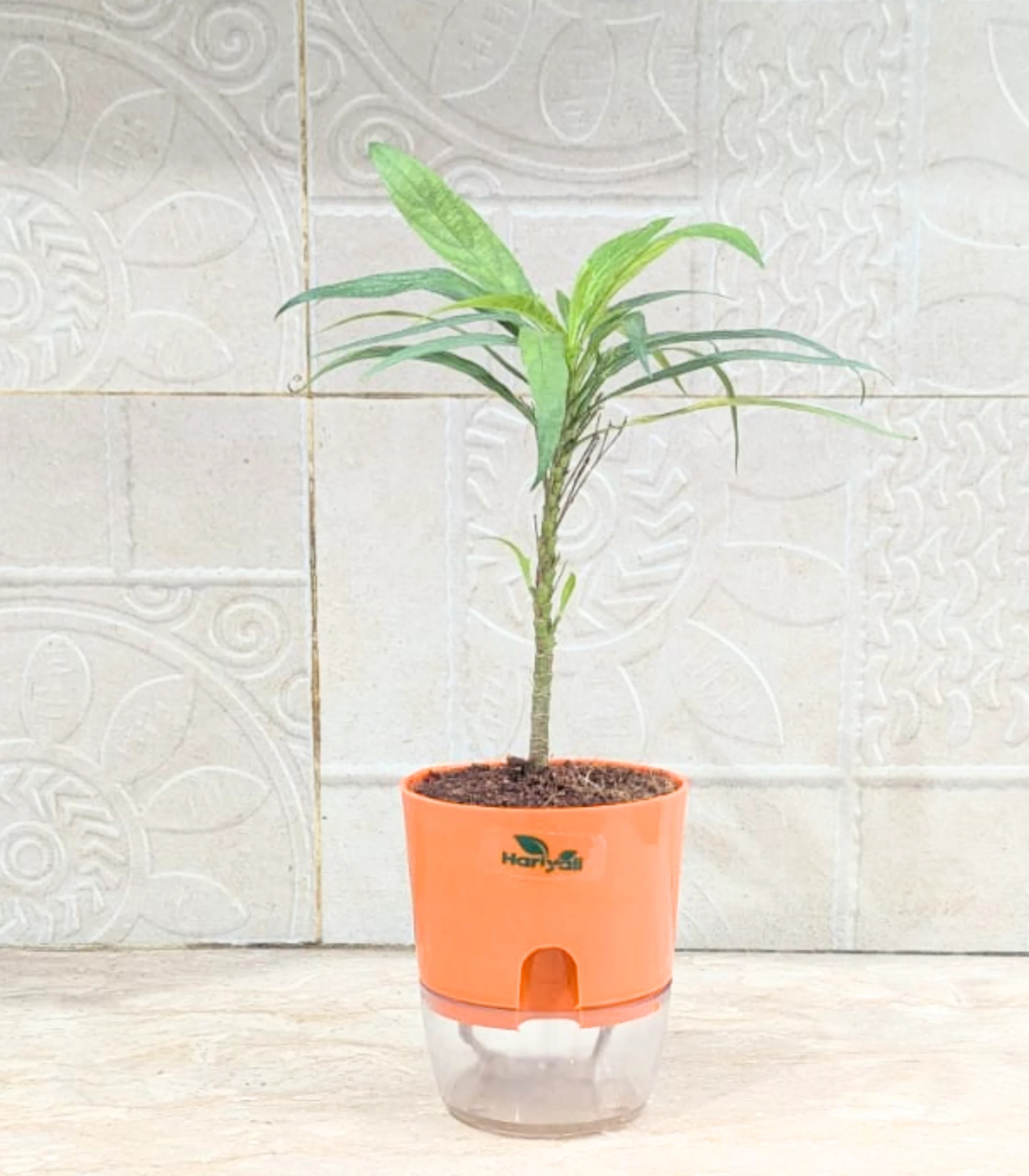
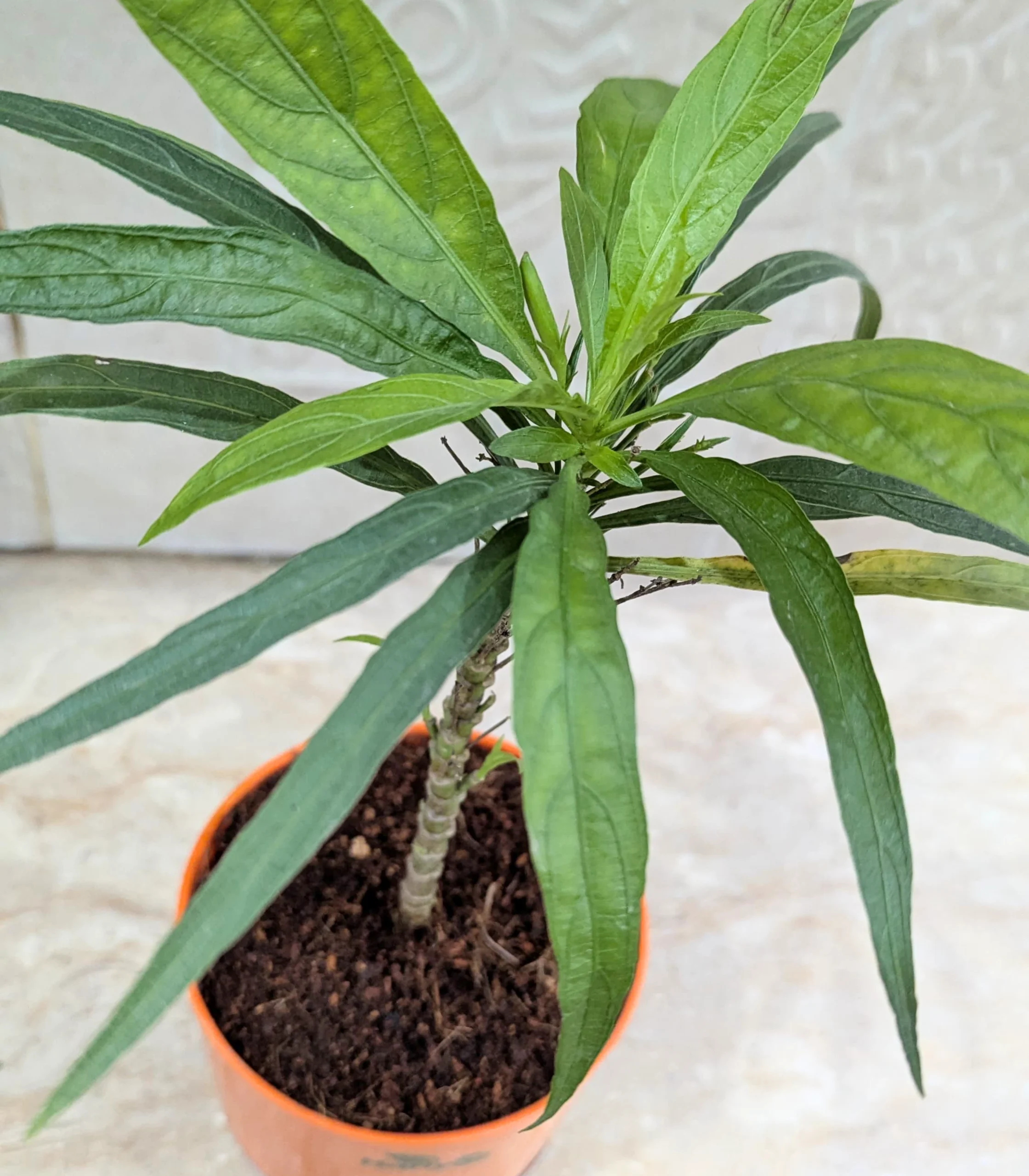
Pachypodium Madagascar Palm (Indoor)
Original price was: ₨ 1,299.₨ 999Current price is: ₨ 999.
Select options
This product has multiple variants. The options may be chosen on the product page
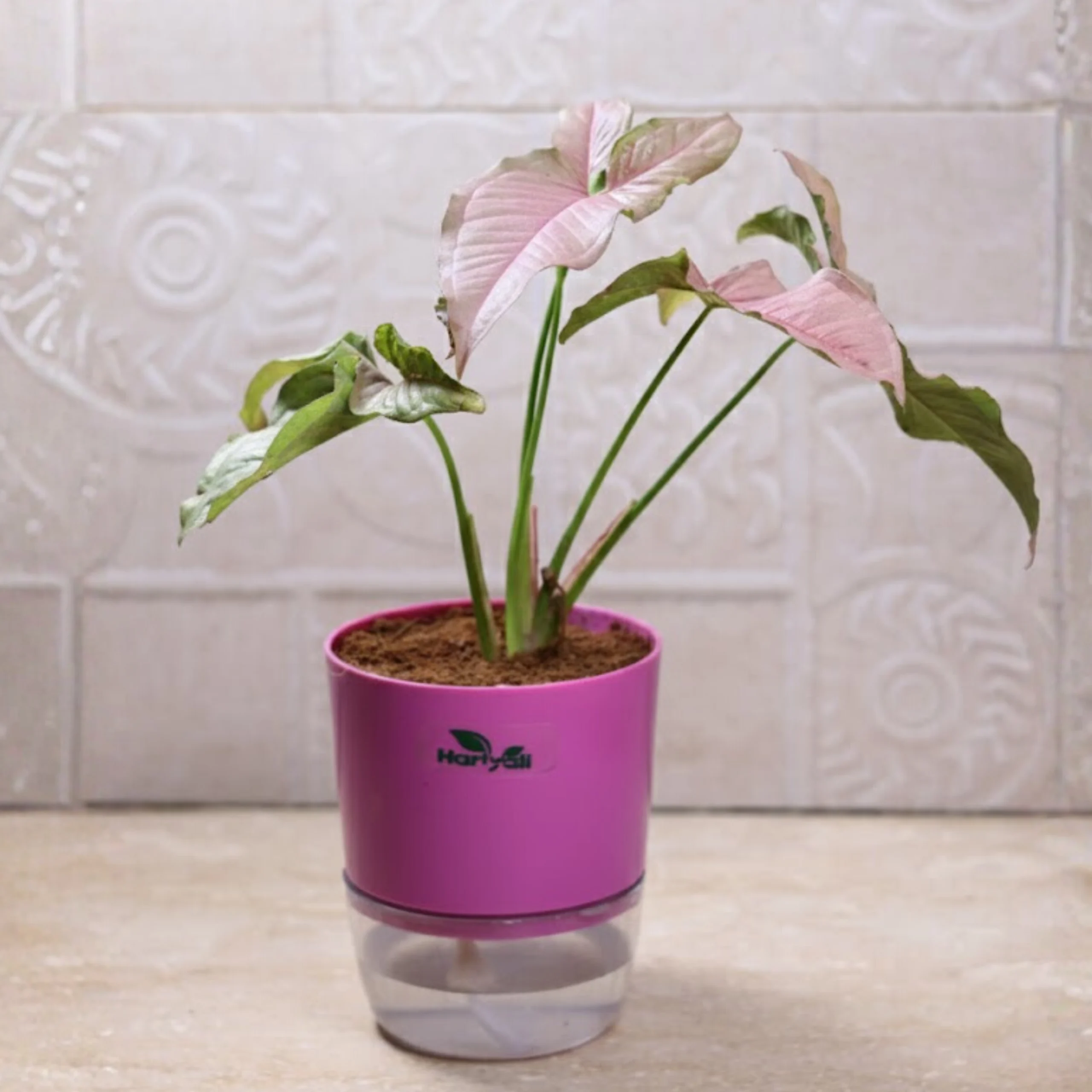
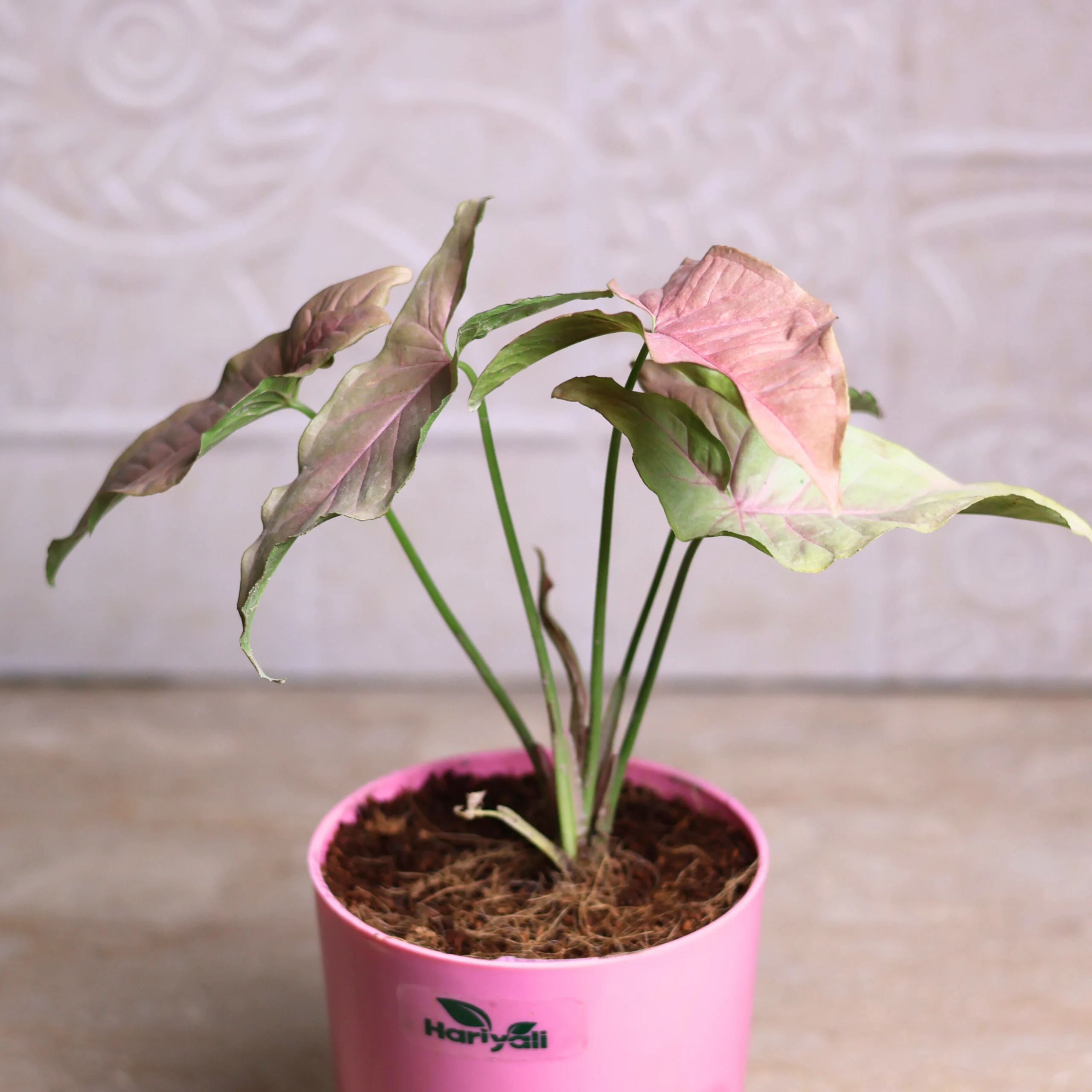
Pink Syngonium Arrowhead
₨ 1,300
Select options
This product has multiple variants. The options may be chosen on the product page
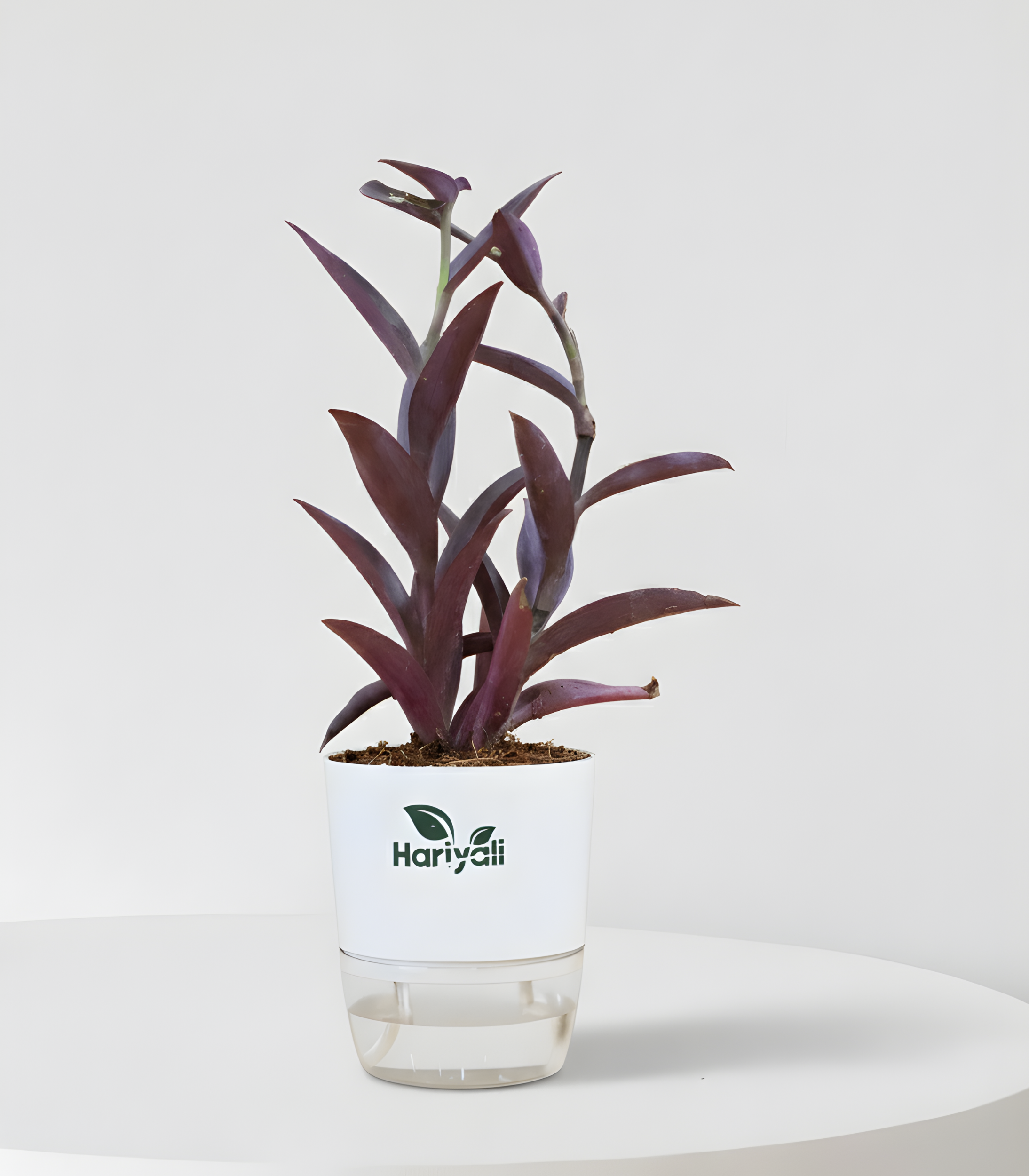
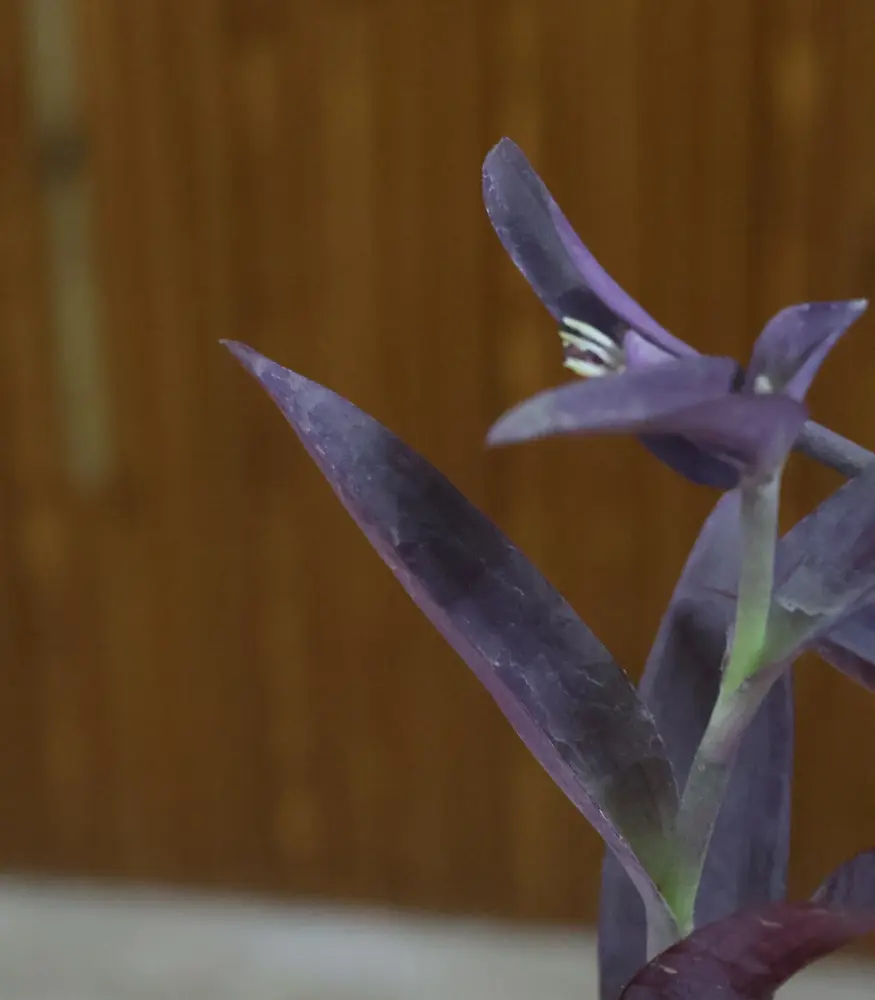
Purple Heart (Purple Queen)
Original price was: ₨ 1,599.₨ 1,299Current price is: ₨ 1,299.
Select options
This product has multiple variants. The options may be chosen on the product page
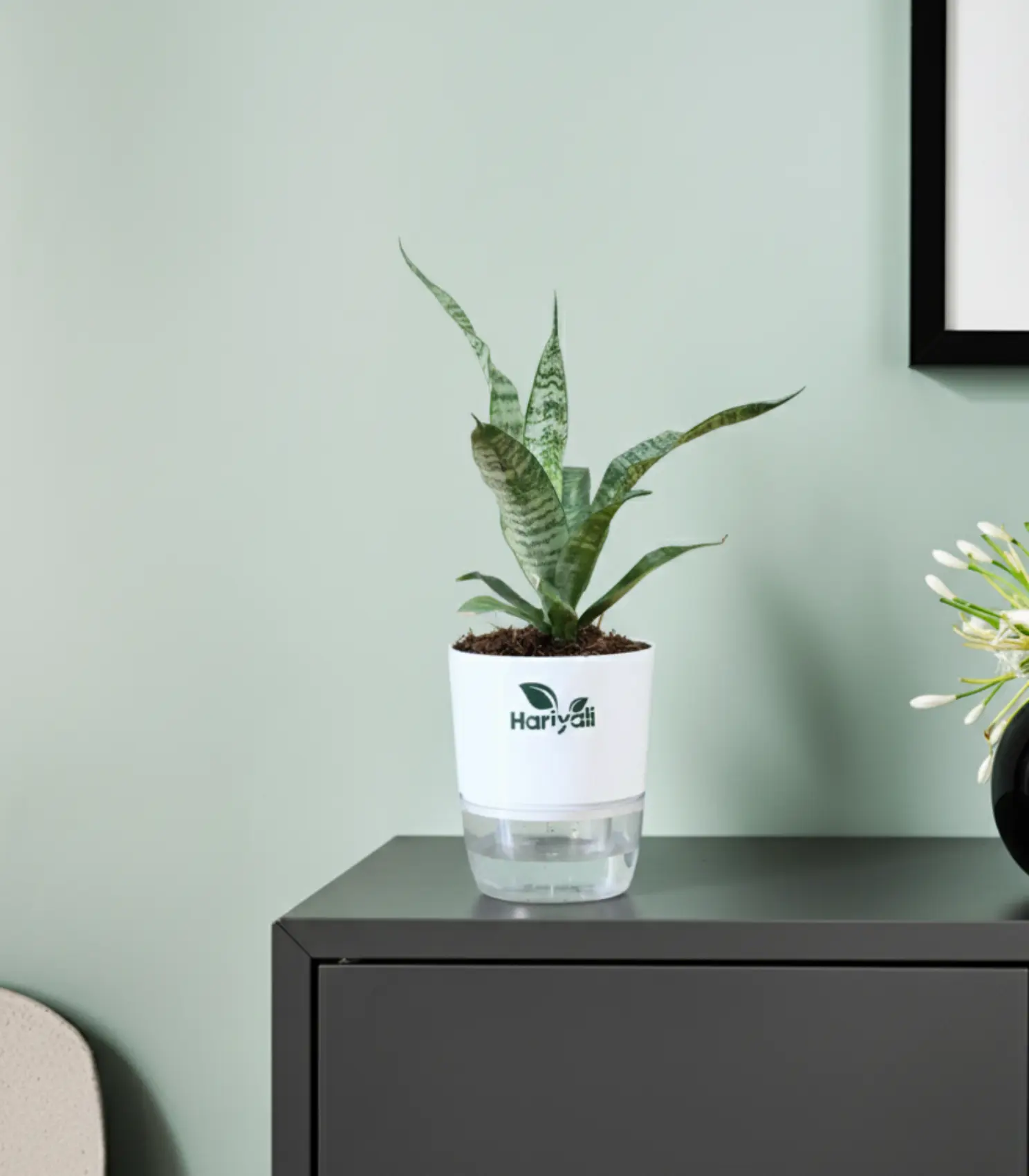
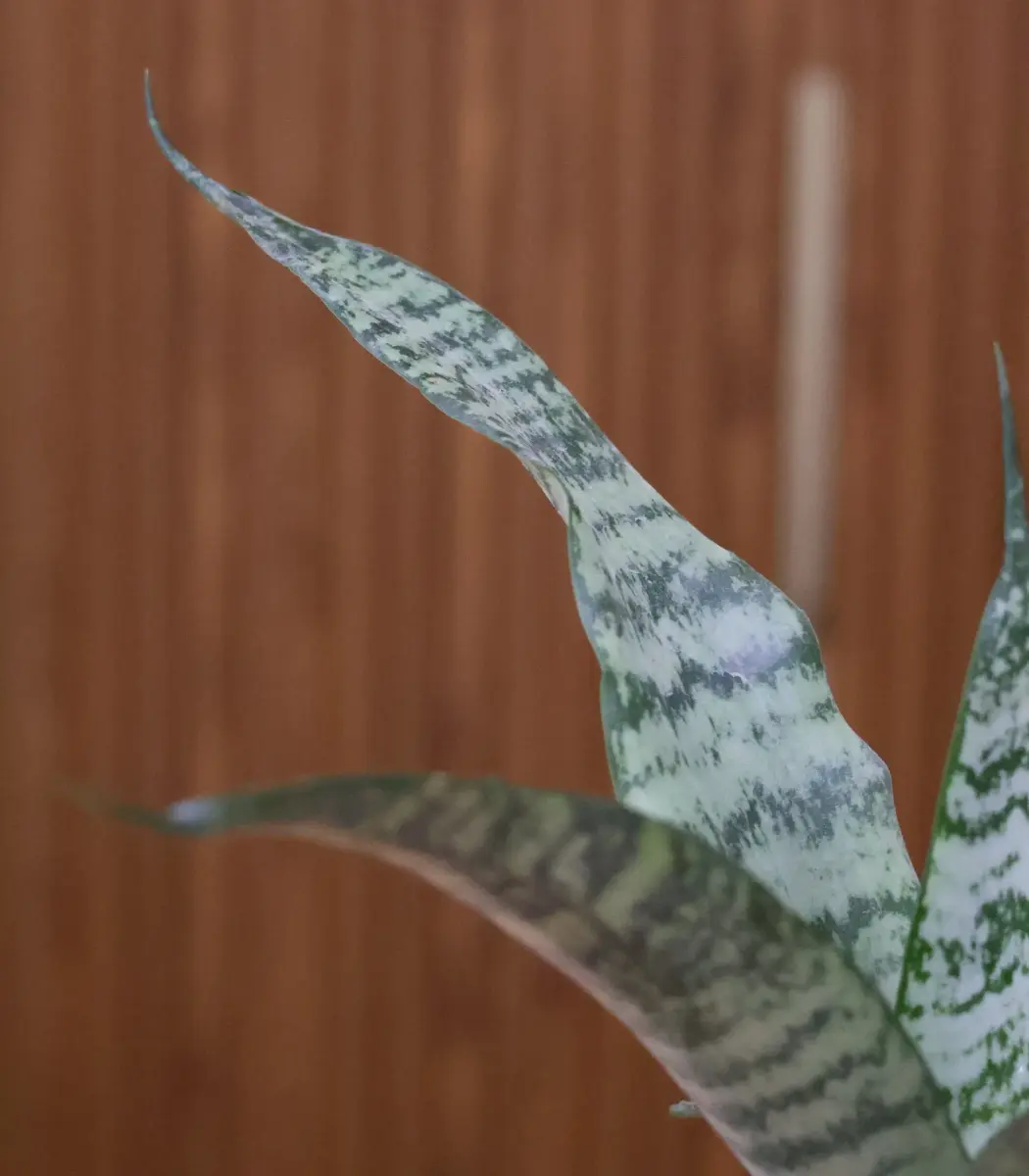
Sansevieria Green Snake Plant (Mother-in-Law’s Tongue)
Original price was: ₨ 1,649.₨ 1,349Current price is: ₨ 1,349.
Select options
This product has multiple variants. The options may be chosen on the product page
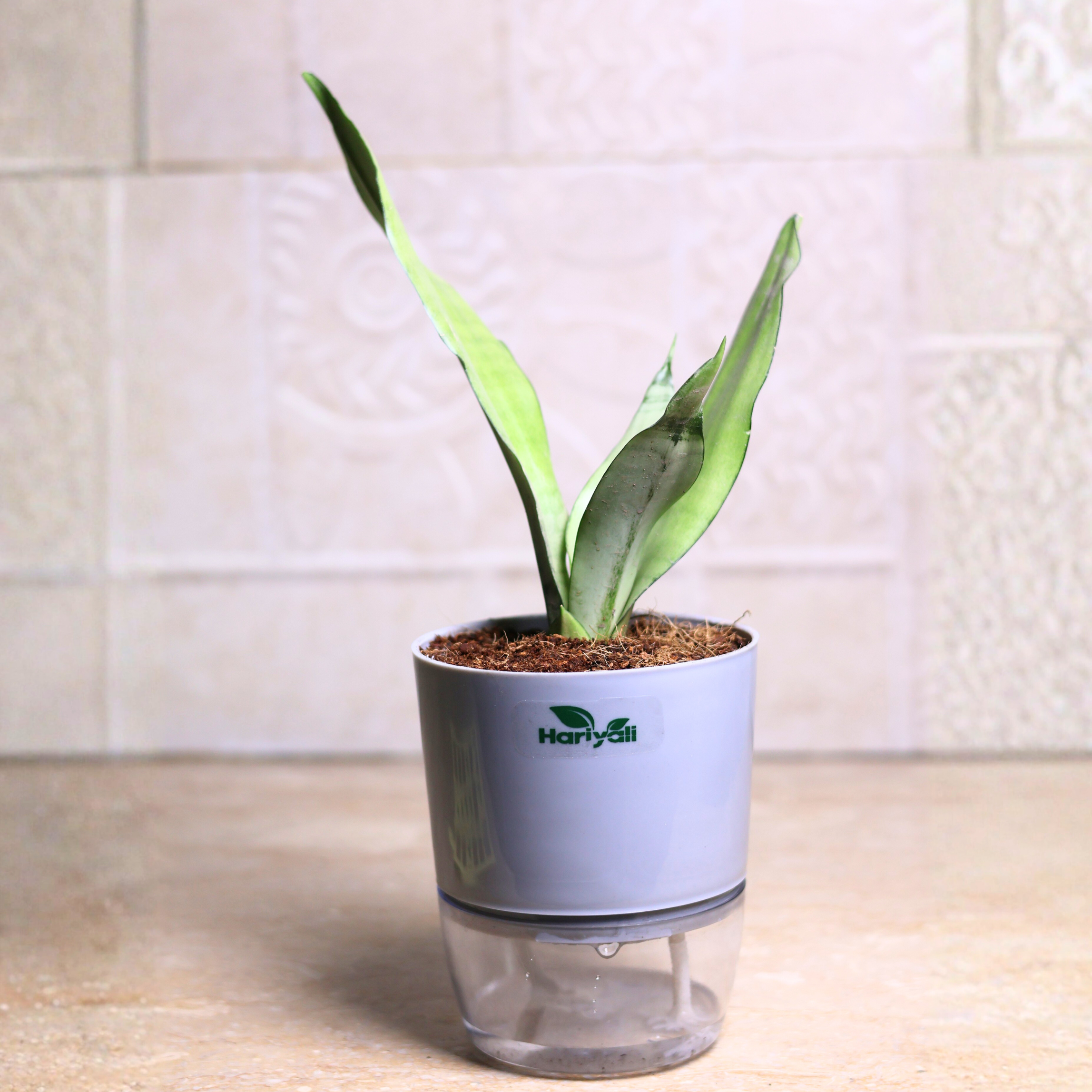
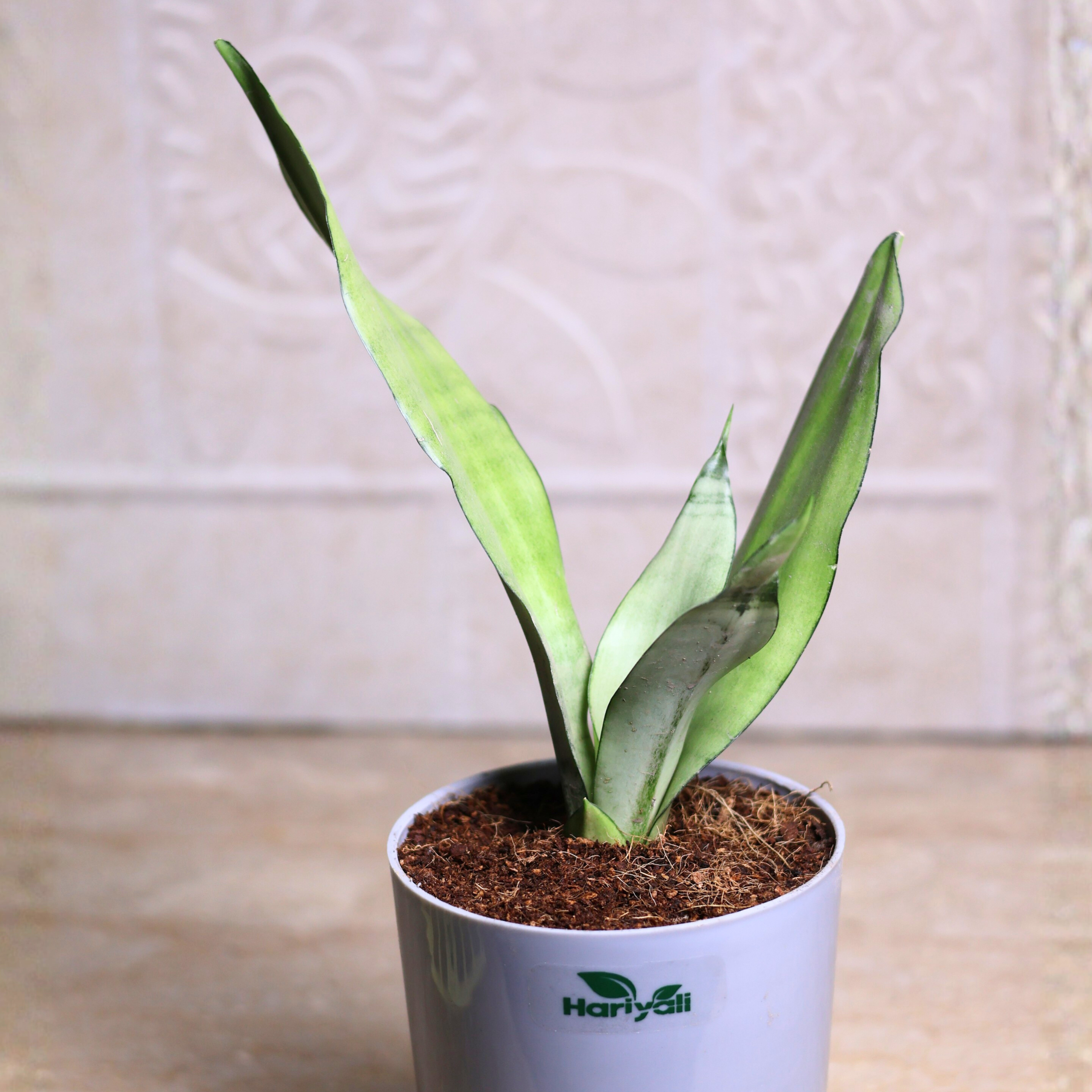
Sansevieria Moonshine (Snake Moonshine) Plant
₨ 1,100
Select options
This product has multiple variants. The options may be chosen on the product page
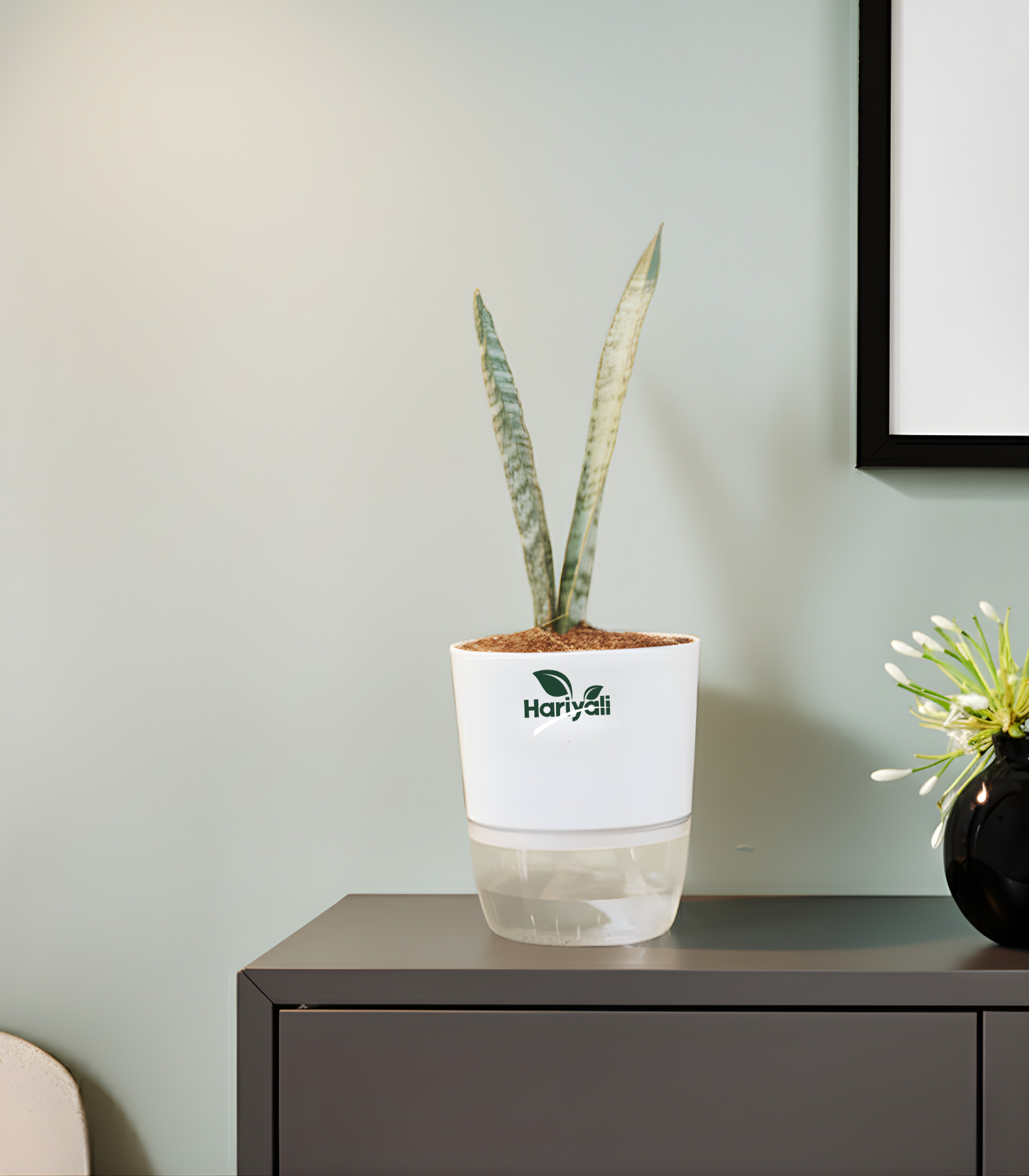
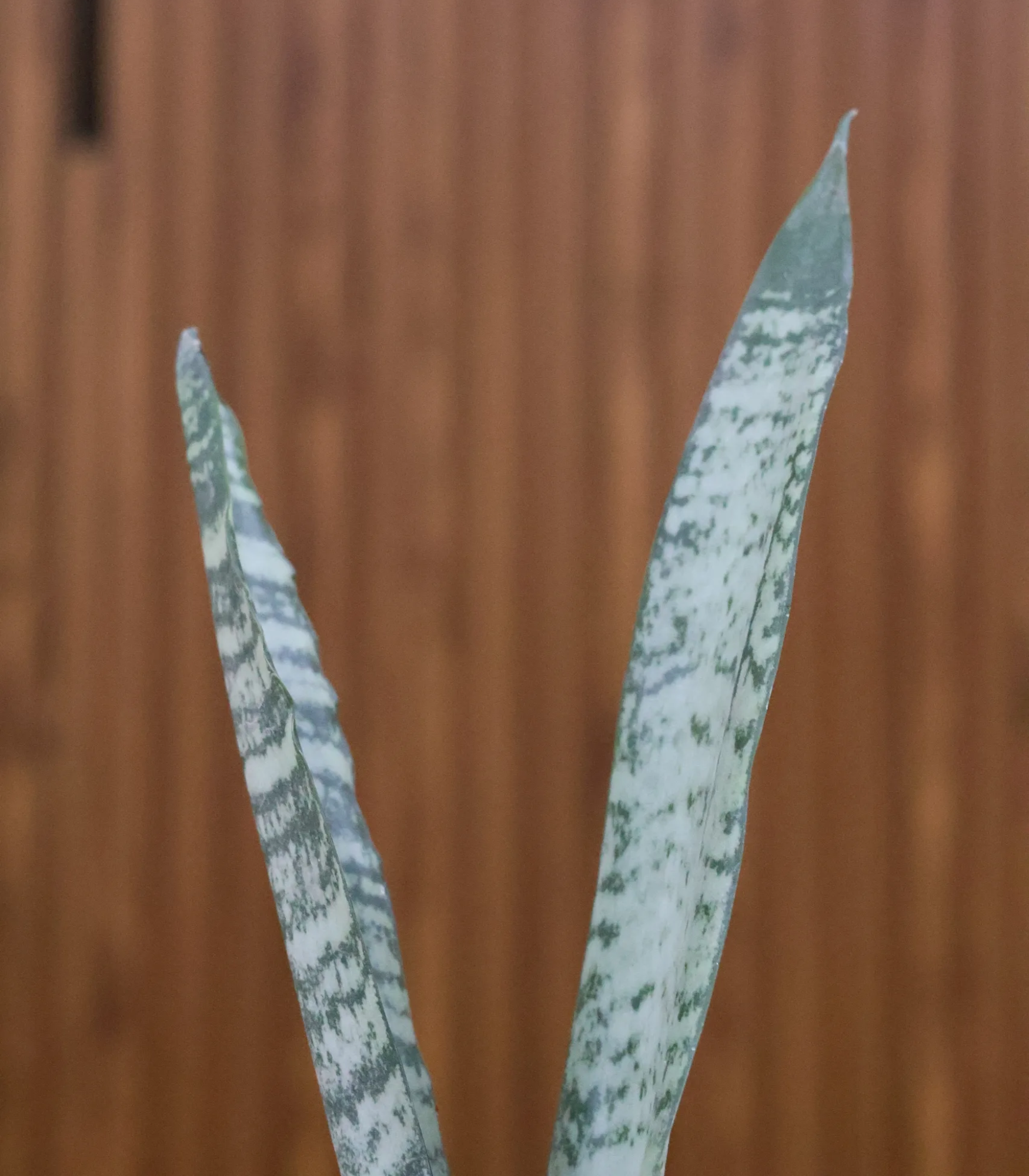
Sansevieria Silver Streak Snake Plant
Original price was: ₨ 1,599.₨ 1,299Current price is: ₨ 1,299.
Select options
This product has multiple variants. The options may be chosen on the product page
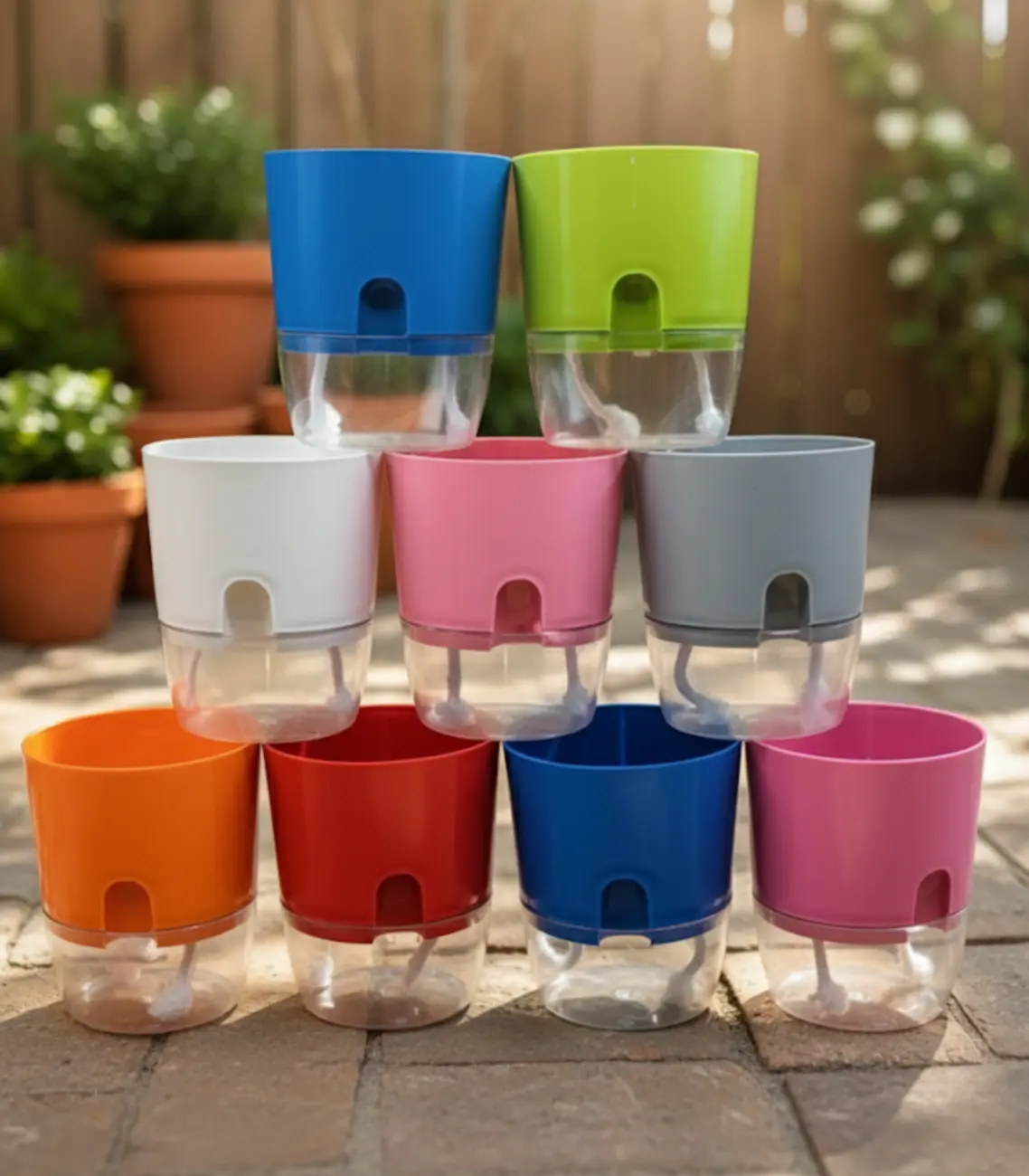
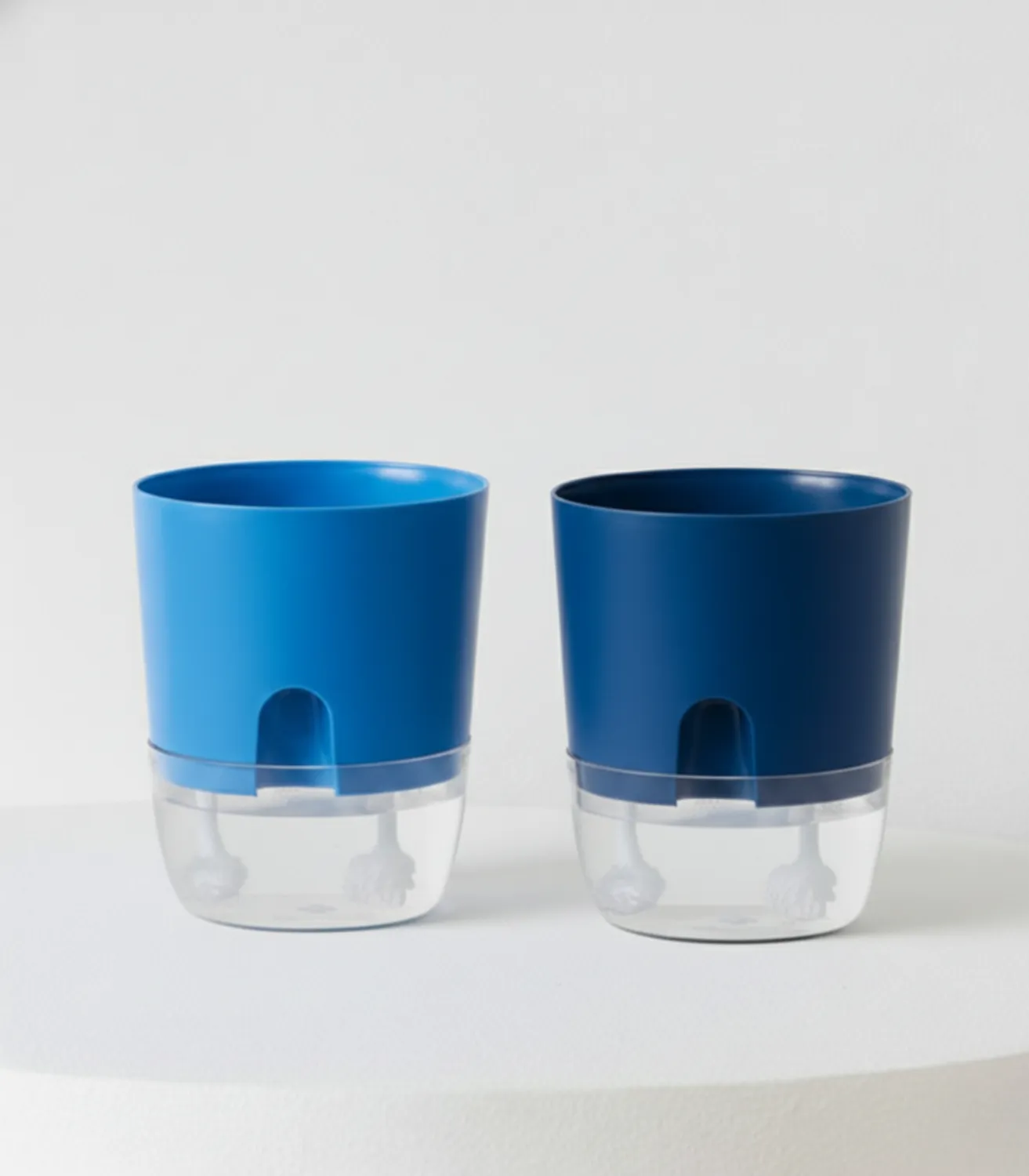
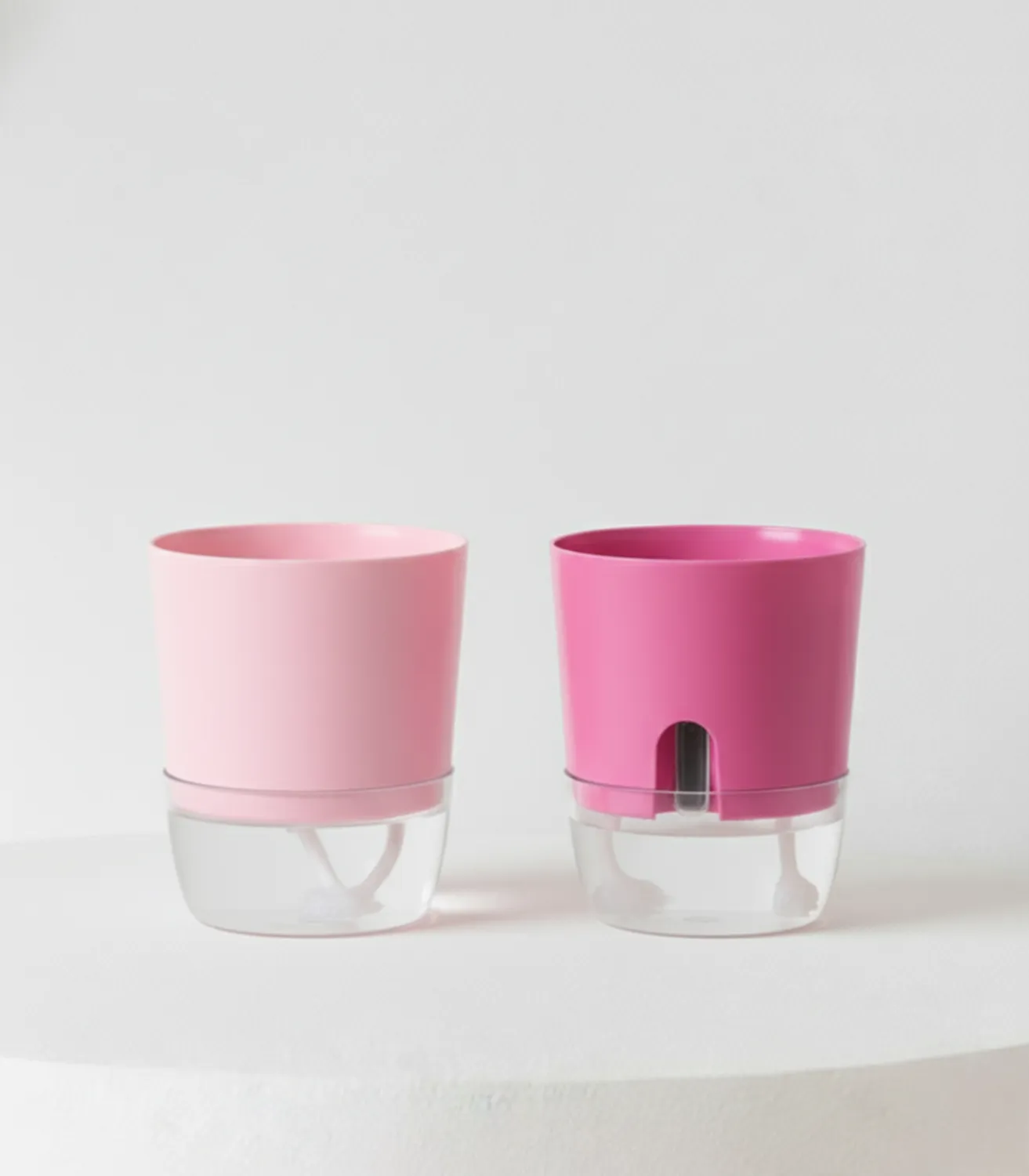
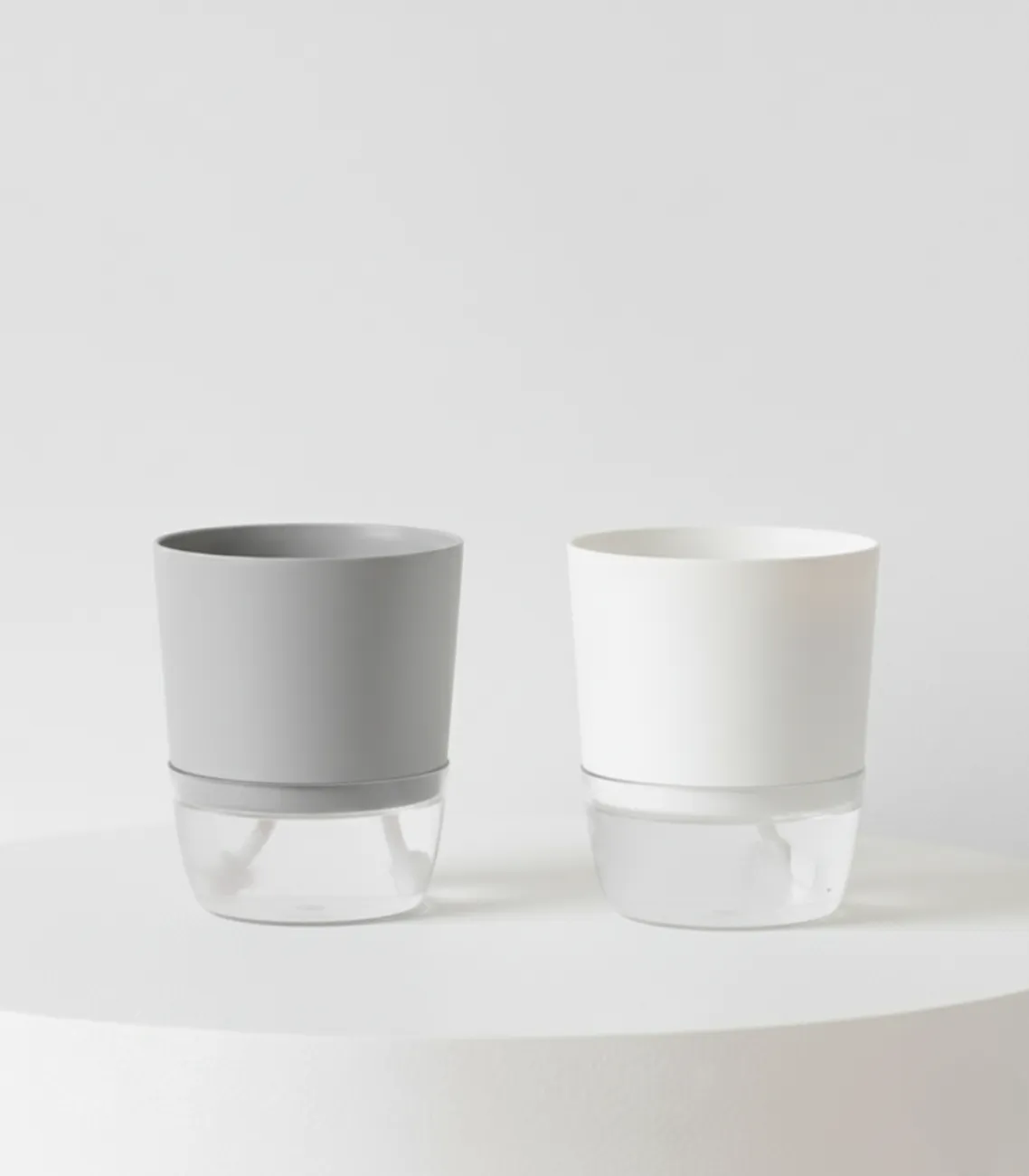
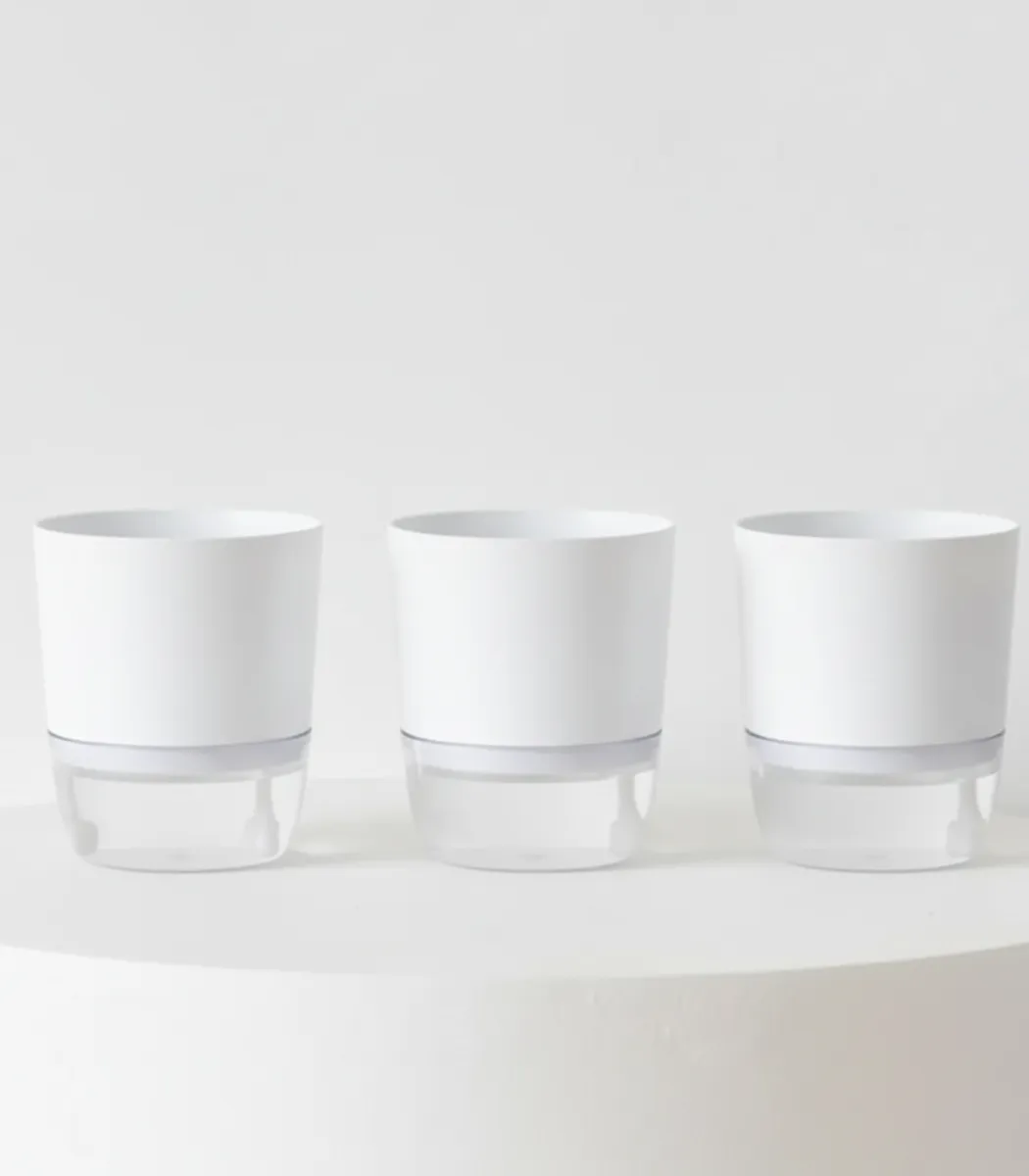
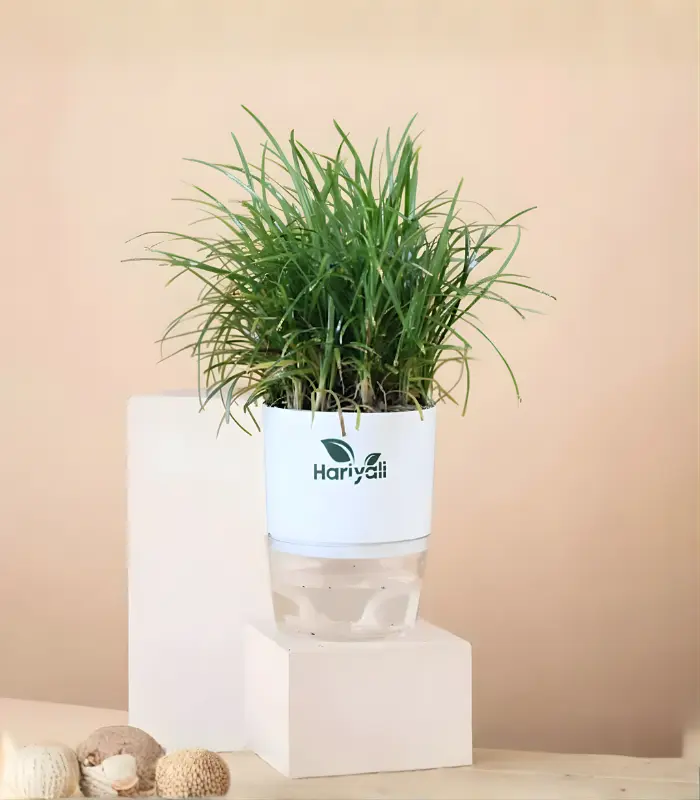
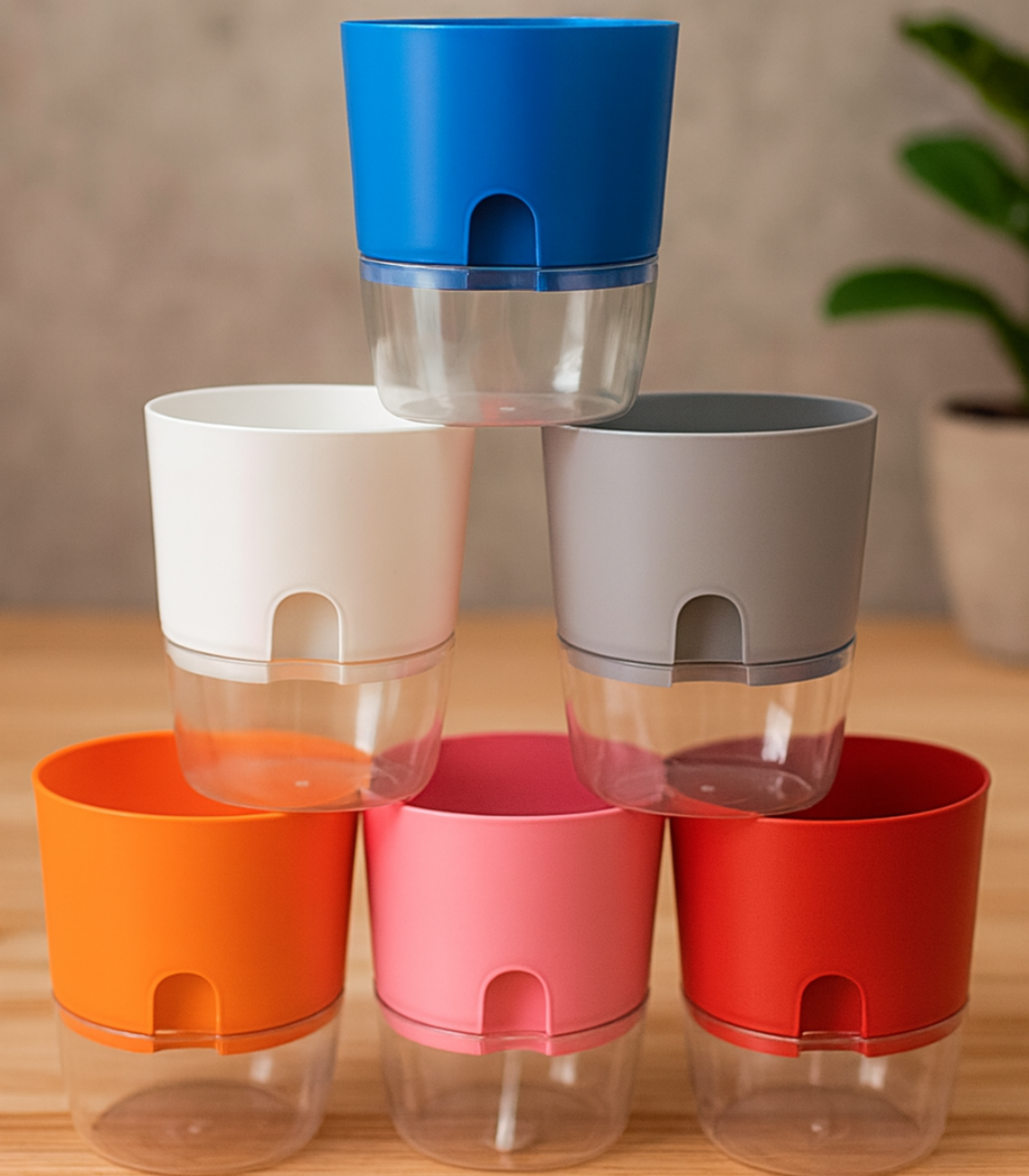
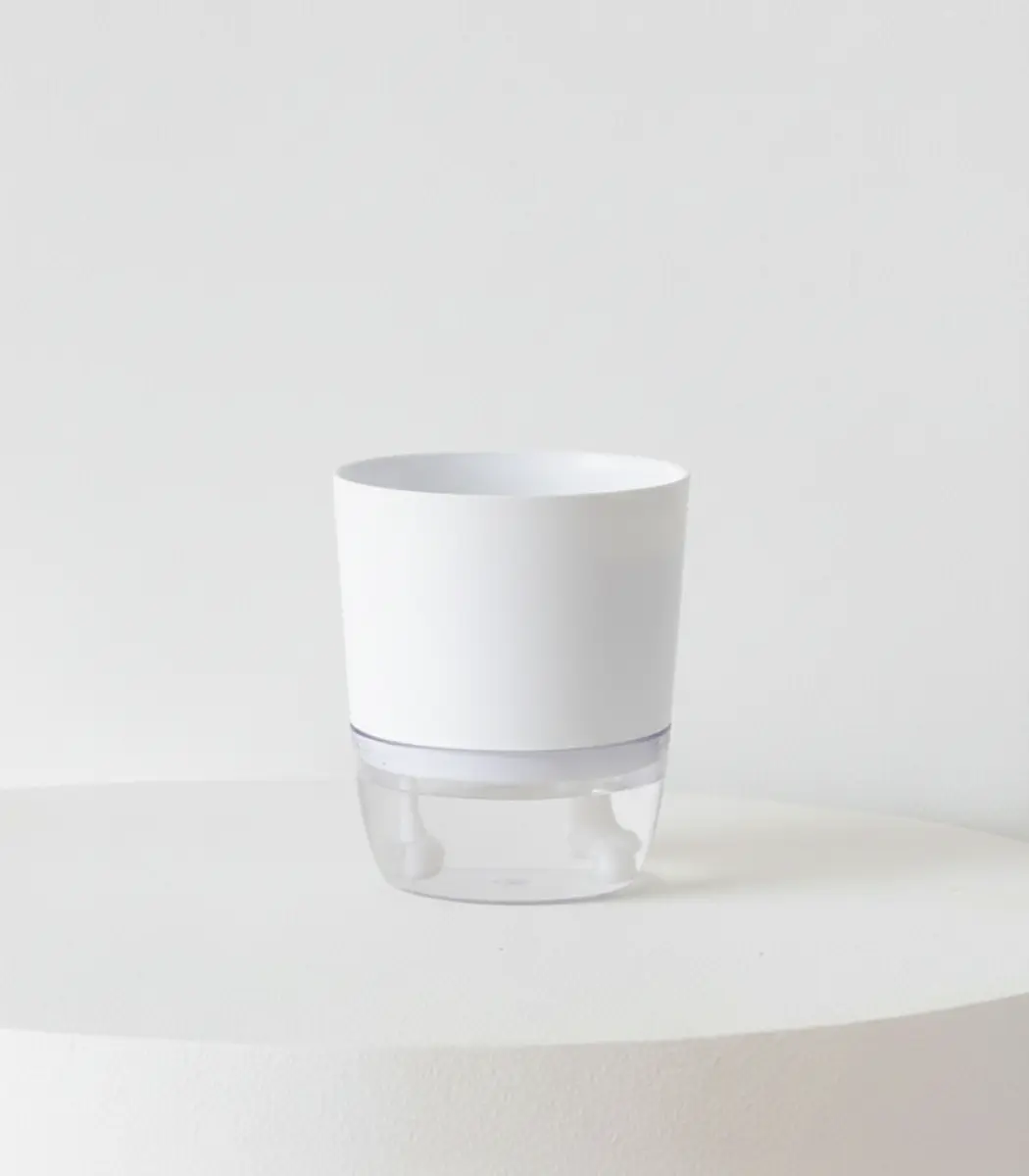
Self Watering Pot ( Easy Plant Care Solution )
₨ 499
Select options
This product has multiple variants. The options may be chosen on the product page